



20th Century Fox
From Political Controversy to Cinematic Comeback
By 1972, Jane Fonda stood at a precarious crossroads. Having recently secured an Academy Award for her performance in “Klute,” her professional trajectory was suddenly threatened by intense public backlash following her anti-war activism in North Vietnam. The resulting “Hanoi Jane” moniker became a heavy burden, leading many industry insiders to speculate that her time as a leading lady had effectively reached its expiration date.
Strategic Storytelling: Blending Advocacy with Entertainment
Rather than retreating from the spotlight or abandoning her convictions, Fonda adopted a more calculated approach to her career. She recognized that to keep her voice relevant in a polarized climate, she needed to weave her sociopolitical concerns into the fabric of mainstream, high-stakes cinema. This pivot proved to be a masterclass in brand rehabilitation and artistic influence.
Her most significant triumph during this era was the gripping thriller “The China Syndrome.” By leveraging her own production company, IPC Films, Fonda helped shepherd a project that tackled the terrifying prospect of a nuclear power plant disaster. The film was not only a critical darling but also a massive financial success, earning an Oscar nomination and pulling in $52 million at the domestic box office-a staggering return on its modest $6 million investment. This success demonstrated that audiences were hungry for “message movies” as long as they were packaged within the tension of a well-crafted thriller.
The Lasting Impact of Purpose-Driven Cinema
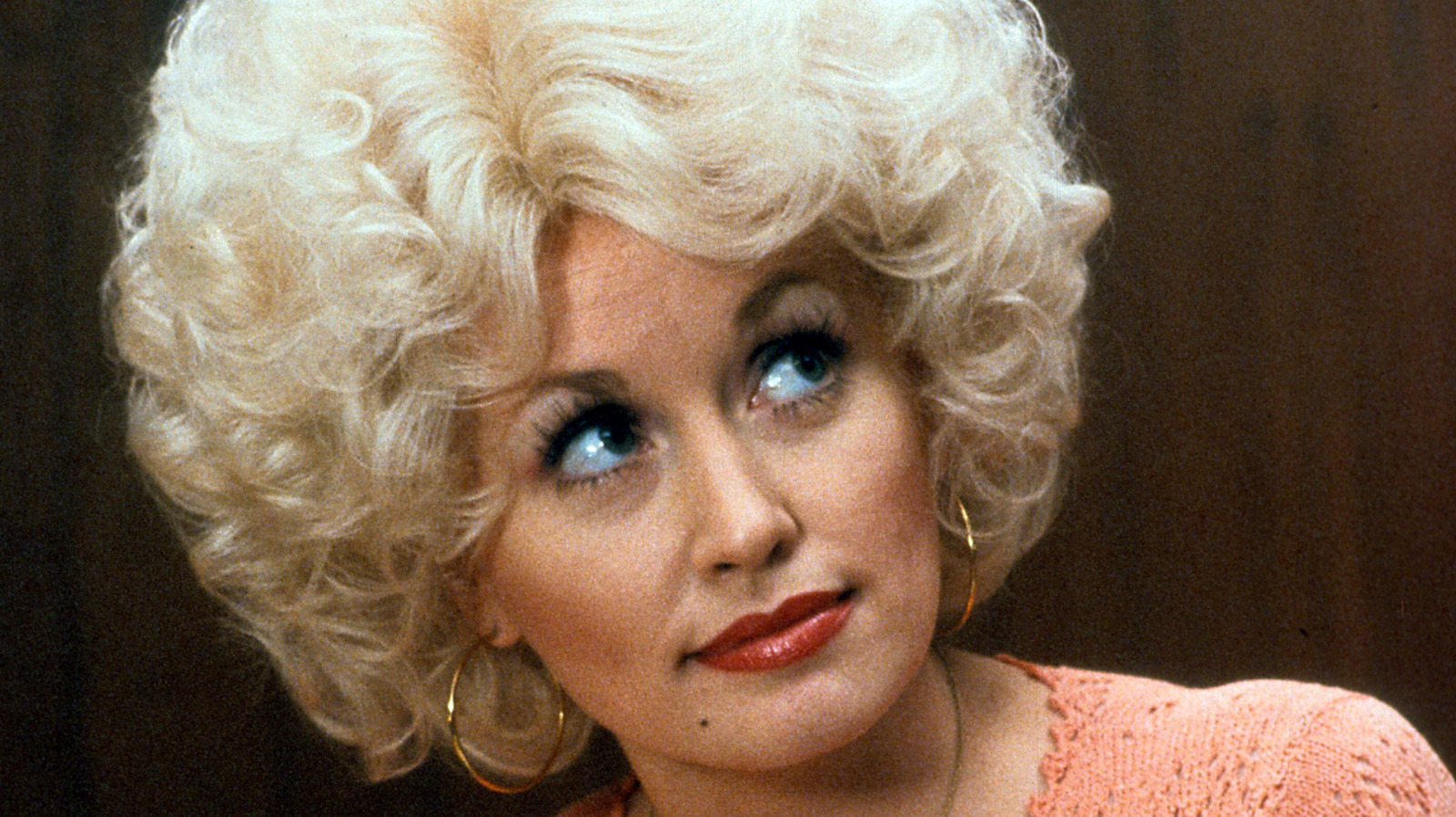
Fonda’s ability to pivot from a polarizing public figure to a box-office powerhouse serves as a blueprint for modern stars. Much like how contemporary actors use streaming platforms to highlight social issues today, Fonda utilized the theatrical model to ensure her message reached the widest possible demographic. Her success in the late 70s paved the way for her later comedic ventures, such as the workplace satire “9 to 5,” which continues to find new generations of viewers on platforms like Netflix nearly five decades after its debut.