




Master Your Anxiety by Building a Proactive Relaxation Routine
Attempting to learn a new coping mechanism while in the throes of a panic attack is often counterproductive. When your nervous system is already overwhelmed, your brain struggles to process complex instructions. Instead, the most effective strategy is to treat relaxation like a muscle that requires consistent conditioning.
According to experts like Towns, the secret to managing anxiety effectively lies in “pre-loading” your toolkit. By integrating calming practices into your daily life when you are feeling stable, you create a neural pathway that becomes much easier to access during moments of high stress. Think of it like a fire drill: you practice the evacuation route while the building is safe so that you can navigate it instinctively when the alarm sounds.
Tailoring Your Daily Practice
Because anxiety manifests differently for everyone-some experience physical tension, while others suffer from racing thoughts-the “best” technique is the one that resonates with your specific symptoms. Consider incorporating one of these evidence-based methods into your daily schedule:
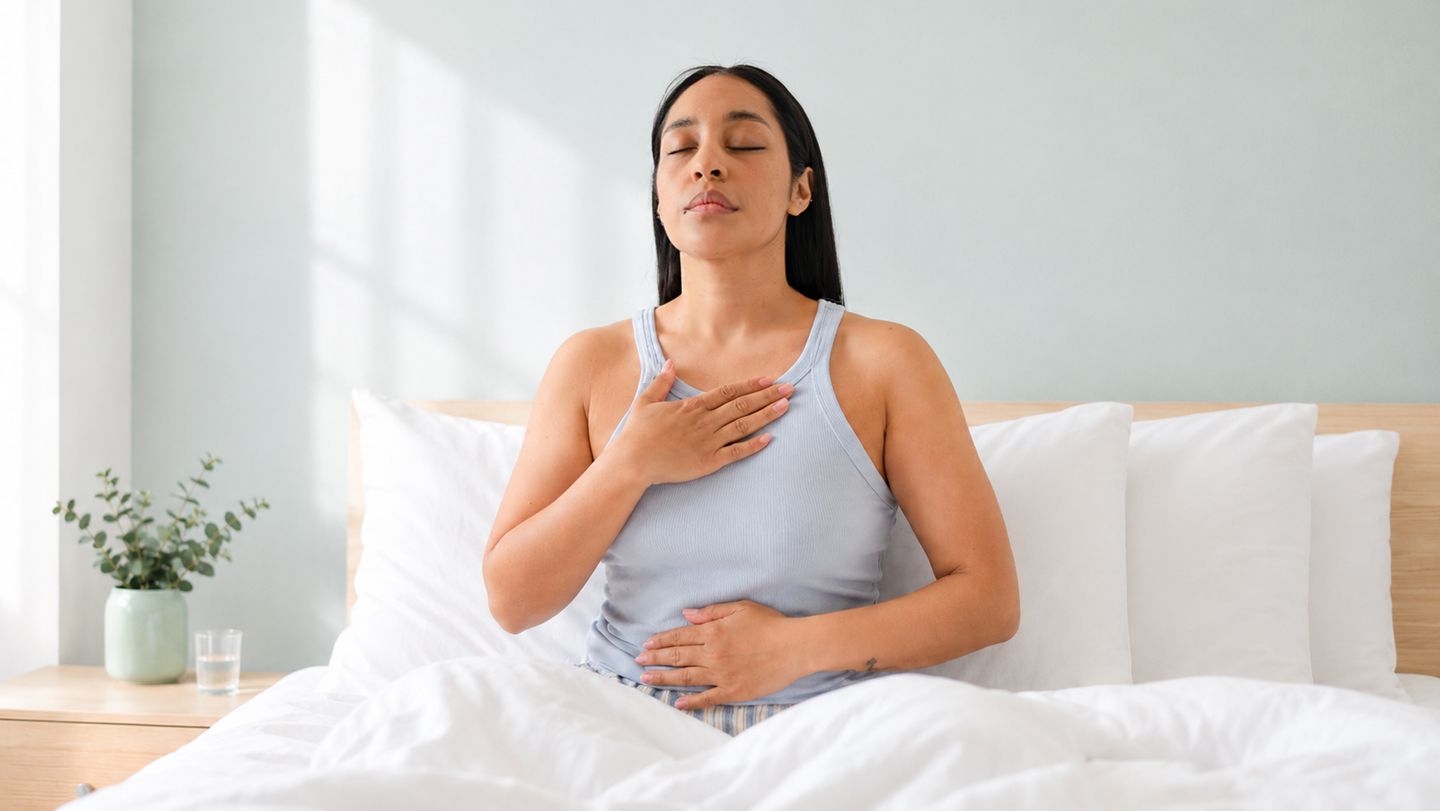
* Breath Regulation: Utilizing deep or paced breathing patterns can help reset your autonomic nervous system. Research suggests that even just five minutes of diaphragmatic breathing can significantly lower cortisol levels.
* Systematic Muscle Release: Progressive muscle relaxation involves methodically tensing and then abruptly releasing specific muscle groups. This helps you identify where you hold stress-such as the jaw or shoulders-and teaches your body how to transition from a state of tension to one of total relaxation.
* Mental Reframing: Engaging in guided imagery or other mindfulness exercises can help anchor your focus. By visualizing a serene environment or practicing present-moment awareness, you can interrupt the cycle of ruminative thinking that often fuels anxiety.
Consistency is Key
The goal is to make these techniques a habit rather than a last-resort emergency measure. By dedicating just a few minutes each day to these exercises, you are essentially training your brain to recognize the “off switch” for your stress response. When anxiety eventually spikes, you won’t be searching for a solution; you will simply be returning to a familiar, well-practiced state of calm.