




Everyday Health
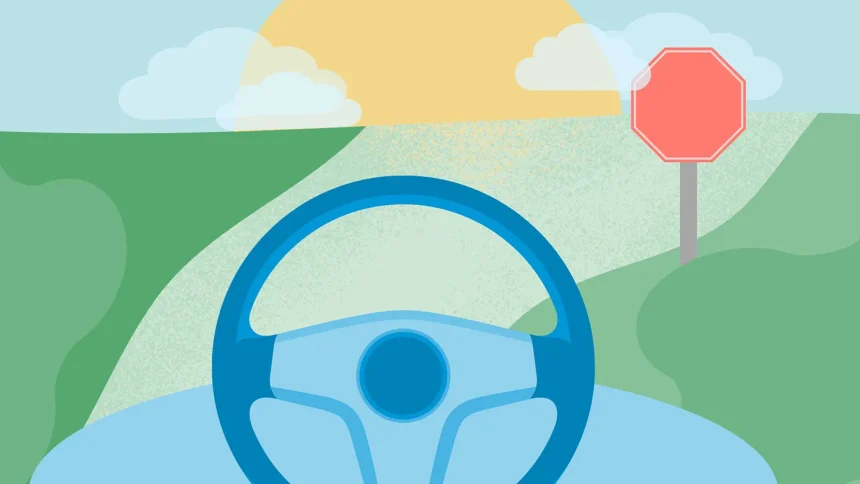
Driving is about much more than getting from one place to another. For many people, it’s a way to stay engaged in work, relationships, and the community and — perhaps most importantly — remain independent.
Huntington’s disease (HD) is an inherited, progressive brain disorder that affects movement, thinking, and behavior, including many of the abilities driving requires. Motor symptoms may interfere with steering and pedal control, while changes in attention, processing speed, memory, judgment, and spatial awareness can make it harder to keep up with traffic signals, pedestrians, and directions, says Kathleen M. Shannon, MD, the director of the Huntington’s Disease Society of America Center of Excellence at the University of Wisconsin in Madison.
At some point, everyone with HD gives up driving, but a diagnosis doesn’t automatically mean it’s time to hand over the keys.