

The Long Road to Albion: Unpacking Fable’s Extended Development Cycle
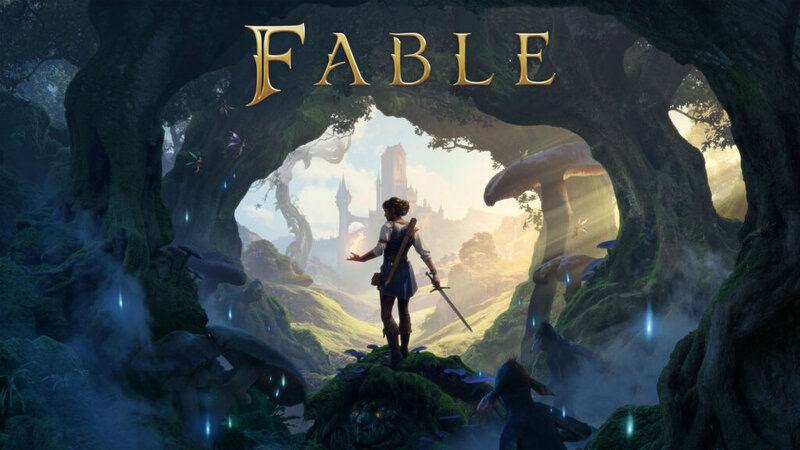
It is rare for a major title to spend nearly a decade in the oven, yet recent revelations suggest that the upcoming Fable reboot has been gestating far longer than most fans anticipated. While the gaming community has been eagerly awaiting a return to the whimsical world of Albion, the timeline behind its creation is more complex-and protracted-than previously understood.
A Decade in the Making: Tracing the Origins
A recent deep dive by *The Guardian* into the inner workings of Playground Games has shed light on the project’s longevity. According to their feature, the conceptual seeds for the new Fable were sown as early as 2016. This timeline is particularly striking when you consider the sheer volume of industry turbulence that has occurred since then.
Over the last eight years, the gaming landscape has shifted dramatically. We have witnessed the industry’s ill-fated obsession with “live service” models, the logistical upheaval caused by the global pandemic, and the sobering reality of widespread workforce reductions-including over 6,000 layoffs within the Xbox ecosystem alone. Despite these external pressures, the project has remained a constant, if quiet, fixture in development.
From Lionhead’s Closure to Playground’s Vision
The narrative of this reboot is inextricably linked to the fate of the original developer, Lionhead Studios. When Microsoft shuttered the legendary studio in 2016, it effectively killed the ambitious co-op project *Fable Legends*.
While initial reports from outlets like *Eurogamer* suggested that Playground Games officially took the reins in 2018, the earlier 2016 date implies that Microsoft-under the leadership of Phil Spencer-was likely scouting for a new home for the franchise almost immediately after Lionhead’s doors closed. For Playground Games, a studio previously defined by the technical mastery of the *Forza Horizon* series, the transition to an open-world RPG was a logical evolution. They sought to leverage their expertise in building expansive, reactive environments to breathe new life into the *Fable* IP.
Why Fable Still Matters
Despite the lengthy development cycle, the creative team remains steadfast in their belief that the franchise holds a unique place in the modern gaming pantheon. Ralph Fulton, the director of the project, emphasized the weight of the title during his interview with *The Guardian*, stating, “I genuinely think Fable is an important game.”
As we look toward the release, it is clear that this isn’t just another sequel; it is a high-stakes attempt to modernize a beloved classic while navigating the scars of a changing industry. Whether this extended incubation period results in a masterpiece remains to be seen, but the sheer persistence of the team behind it is, in itself, a testament to the enduring legacy of the series.