




# Navigating Verticality: The Evolution of Level Design in Control Resonant
When players are granted the ability to defy gravity and traverse vertical surfaces, the traditional rules of level design effectively shatter. How do developers maintain a sense of direction when the floor is no longer the only viable path? This is the central challenge Remedy Entertainment faced while crafting Control Resonant.

## A New Perspective on the Faden Legacy
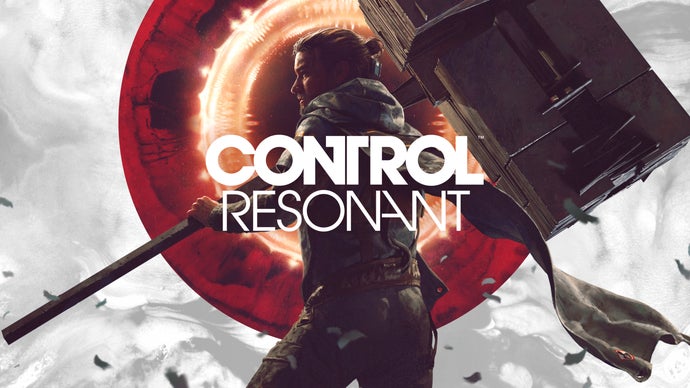
Arriving on September 24, Control Resonant marks a significant evolution for the franchise, launching seven years after the original 2019 title. The sequel introduces a major shift in narrative focus, moving from Jesse Faden to her brother, Dylan Faden. Beyond the character swap, the gameplay loop has been fundamentally overhauled. Remedy is venturing into uncharted territory by prioritizing visceral melee combat, while simultaneously abandoning the claustrophobic, shifting corridors of The Oldest House in favor of the sprawling, urban expanse of Manhattan.
## Rethinking Spatial Architecture
For senior level designer Arhi Makkonen, who has been with the studio since the final stages of the original Control, this transition to an open-world format necessitated a complete rethink of his workflow.
“My role begins at the block-out phase,” Makkonen notes. “I am responsible for establishing the foundational structure of the world, defining the player experience, curating the content density, and ensuring a cohesive flow from the opening moments to the finale.”

## The Challenge of Open-World Flow
Designing for a linear or semi-linear environment-like the original Bureau headquarters-allows designers to “breadcrumb” players through specific sightlines and architectural cues. However, the shift to the streets of New York City introduces a level of freedom that makes guiding the player significantly more complex.
In modern open-world design, developers often rely on “environmental storytelling” to act as a compass. By utilizing lighting, color-coded landmarks, and dynamic weather patterns, designers can subtly nudge players toward objectives without relying on intrusive UI markers. As Remedy scales up its environments, the team must balance this newfound freedom with the tight, atmospheric pacing that defined the series’ debut. With the industry seeing a trend toward larger maps-often exceeding 20-30% more surface area than previous generation titles-the pressure to keep these spaces feeling meaningful rather than empty is higher than ever.