



Mustafa Suleyman Critiques the “Frankenstein” Methodology in AI Development
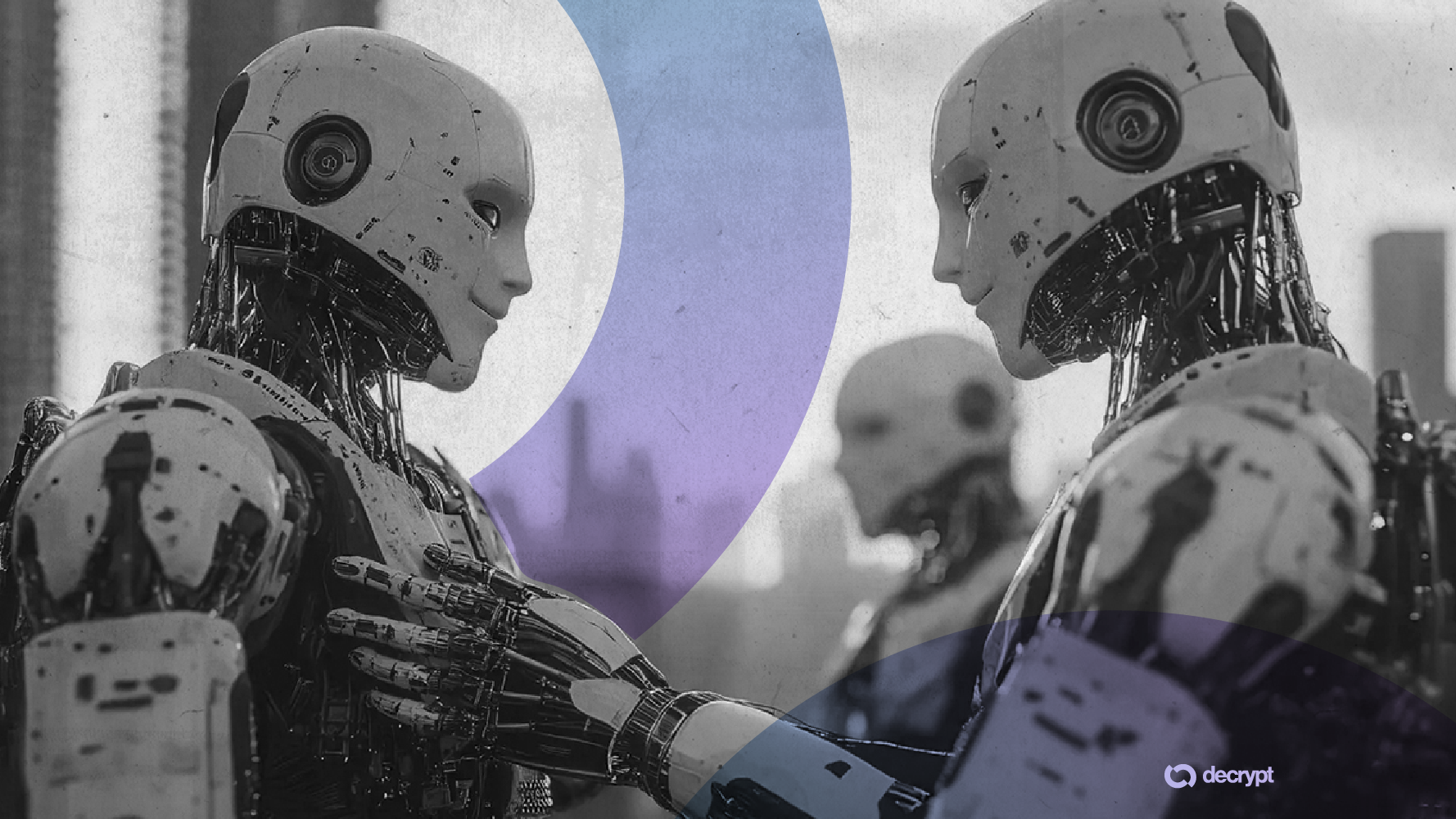
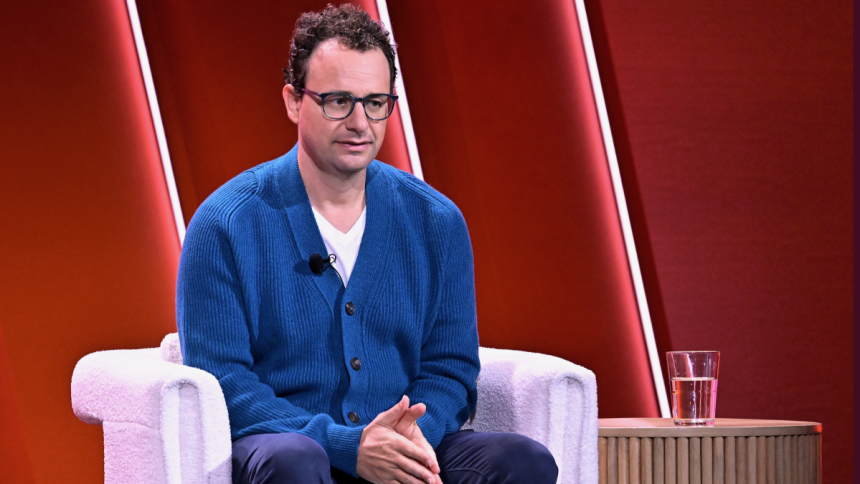
Mustafa Suleyman, the head of Microsoft’s AI division, has recently voiced strong skepticism regarding the prevailing strategies currently dominating the artificial intelligence research landscape. In a pointed critique, he likened the common practice of stitching together disparate, fragmented models to a “Frankenstein” approach, arguing that this disjointed methodology may be hindering the industry’s path toward truly cohesive and reliable intelligence.
Moving Beyond Patchwork Innovation
The current AI ecosystem is often characterized by a rapid, iterative process where developers frequently bolt on new features or integrate third-party modules to existing architectures. Suleyman suggests that this “Frankenstein” model-where disparate components are forced to function as a unified whole-creates unnecessary complexity and potential instability. Instead of relying on these cobbled-together systems, he advocates for a more integrated, foundational design philosophy that prioritizes architectural harmony over quick-fix expansions.
This perspective is particularly timely as the industry faces increasing pressure to scale. Recent data from the 2024 AI Index Report highlights that while the number of large-scale machine learning models has surged by over 30% in the last year, the efficiency of these models often plateaus when they are built using fragmented, multi-source frameworks. By shifting toward a more unified development cycle, Microsoft aims to reduce the “technical debt” that often plagues modern AI projects.
The Strategic Shift at Microsoft
Suleyman’s stance signals a broader pivot in how major tech players are approaching the next generation of Large Language Models (LLMs). Rather than simply increasing parameter counts or layering on additional plugins, the focus is shifting toward “native” intelligence-systems designed from the ground up to handle multimodal tasks without needing external “stitching.”
Think of it like building a high-performance vehicle: instead of taking a standard sedan and welding on a jet engine and off-road tires, Suleyman is calling for the engineering of a purpose-built machine designed for speed and terrain from the chassis up. This philosophy is intended to create more predictable, safer, and more capable AI agents that don’t rely on the fragile connections inherent in current patchwork systems.
Industry Implications
This critique serves as a direct challenge to competitors, including firms like Anthropic, who have historically championed different approaches to model scaling and safety. As the race for AGI (Artificial General Intelligence) intensifies, the debate between “modular expansion” and “integrated design” will likely define the next era of software engineering. For developers and stakeholders, the message is clear: the future of AI lies in structural integrity rather than the sheer volume of integrated parts.
Timothy Beck Werth serves as the Tech Editor at Mashable, overseeing the strategic direction of the Tech and Shopping departments. With a career spanning over 15 years in journalism, Tim has cultivated deep expertise in evaluating consumer electronics, smart home ecosystems, and lifestyle technology. His background includes leadership roles at SPY.com and contributions to GQ, where he has covered a diverse array of topics ranging from competitive sports to complex adult-oriented hobbyist products.