



When you purchase through links in our articles, we may earn a small commission. This doesn’t affect our editorial independence.
The Evolution of AI: From Personal Concierges to Professional Partners
The landscape of artificial intelligence is shifting rapidly. While early iterations of AI agents focused primarily on consumer-facing tasks-such as curating shopping lists or managing household logistics-the industry is now pivoting toward high-level workplace integration. We have moved past the era of simple chatbots; we are entering the age of the digital colleague.
Beyond Personal Assistance: The Rise of Workplace Agents
For some time, the market has been saturated with tools designed to simplify our private lives. For instance, Meta’s Muse was engineered specifically to streamline the e-commerce experience, acting as a digital personal shopper. Similarly, Google’s Gemini-powered Spark agent has carved out a niche in lifestyle management, assisting users with complex travel itineraries or meal planning.
However, these tools function largely as personal secretaries. OpenAI is taking a fundamentally different approach with its latest innovation: Dots. Rather than focusing on your grocery list or vacation bookings, Dots are designed to function as a professional extension of yourself within the corporate environment.
Introducing Dots: Your Always-On Digital Twin
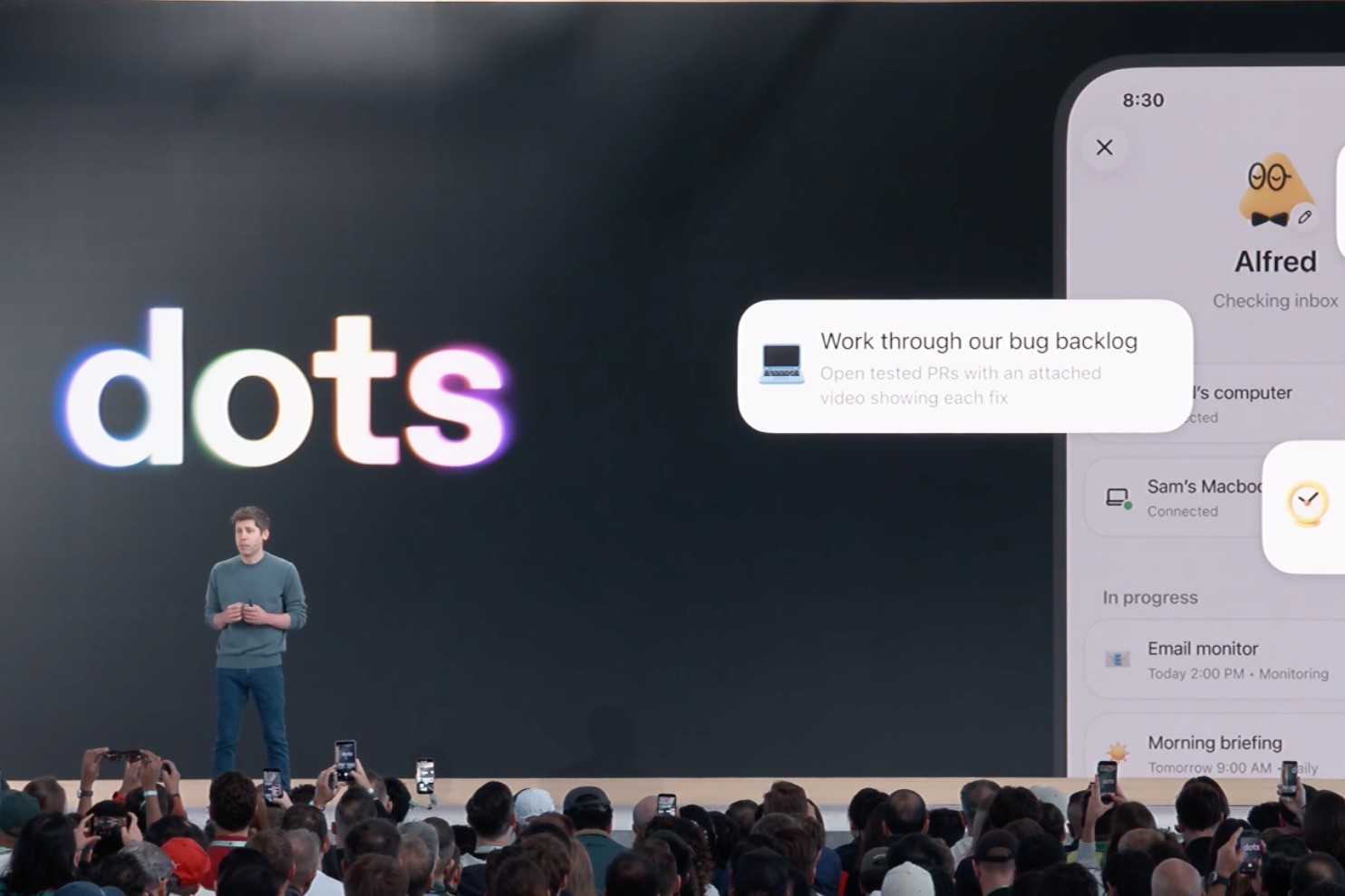
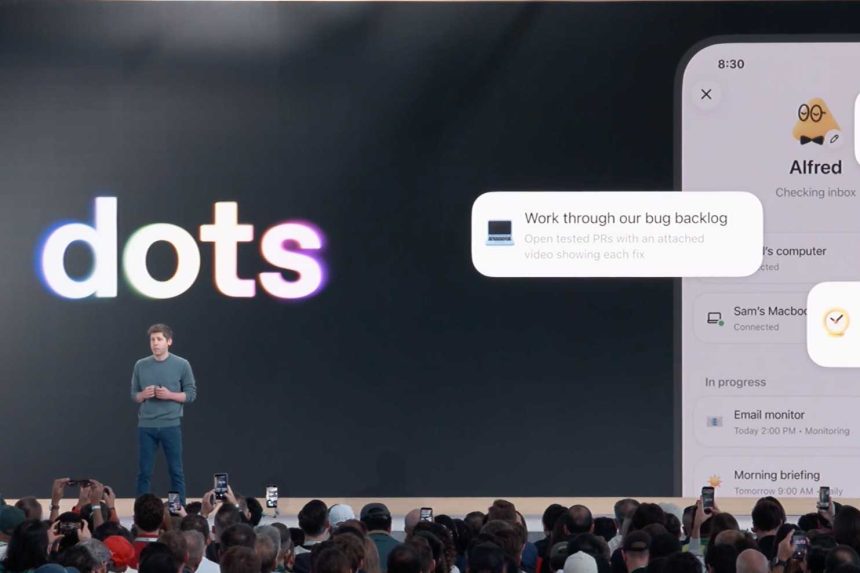
Unveiled by CEO Sam Altman during the company’s annual developers conference, Dots represent a shift toward persistent, autonomous workplace support. Unlike standard AI models that require a prompt-response cycle, Dots are “always-on” agents.
The concept is simple yet transformative: you assign a name and a specific set of professional responsibilities to your Dot, and it operates as a persistent presence in your workflow. By maintaining a continuous connection to your professional tasks, these agents aim to reduce the cognitive load on employees, effectively acting as a digital “you” that can handle routine collaboration, data synthesis, and project monitoring while you focus on high-level strategy.
As AI adoption in the enterprise sector continues to grow-with recent reports suggesting that over 70% of knowledge workers expect to use AI agents for daily tasks by 2027-OpenAI’s strategy to embed these agents directly into the fabric of the workday positions them as a critical tool for future productivity.