




Transforming PC VR into Mixed Reality: The Steam Link Passthrough Breakthrough
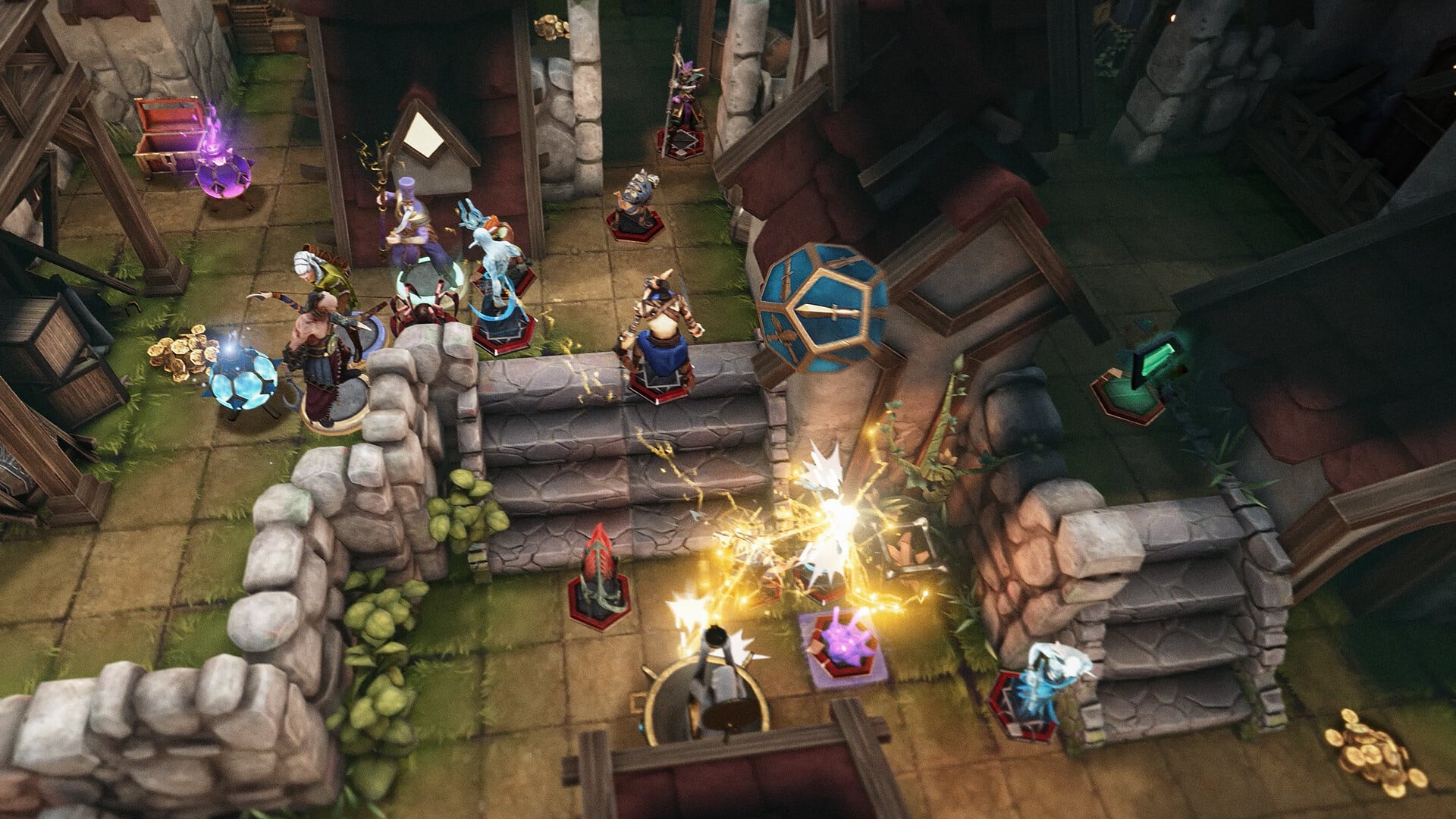
For enthusiasts looking to blend the digital intensity of tabletop strategy games with their physical surroundings, a clever community-driven project is changing how we experience titles like Demeo. By leveraging the Steam Link app, users can now project their favorite PC VR tabletop battles directly into their living room, utilizing the headset’s built-in passthrough cameras to maintain a connection with the real world.
How the Integration Works
Unlike traditional methods that rely on static background replacements or solid-color chroma keying, this approach utilizes specialized game-specific modifications. By tapping into the headset’s native passthrough capabilities, the software overlays the virtual game board onto your actual environment. This creates a more immersive “mixed reality” feel, allowing players to interact with digital miniatures while remaining aware of their physical space.
Current Limitations and Requirements
While the technology is impressive, it is important to note that this is an unofficial, community-led initiative rather than a native feature from Valve or Meta. As of the latest updates, there are a few technical hurdles to keep in mind:
- Hardware Constraints: The Steam Link Native Passthrough tool currently mandates the use of a Windows-based PC equipped with an Nvidia graphics card.
- Selective Compatibility: This patch does not function as a universal “mixed reality” toggle for your entire VR library. Instead, it requires custom integration for each individual title.
Supported Titles and Development Progress
The developer, known as McFredward, has focused on optimizing the experience for tabletop-style games where spatial awareness is key. Currently, the project provides tailored support for titles such as Demeo, Demeo Battles, Demeo Battlemarked, and Gloomhaven Digital. The project remains in active development, with the most recent iteration, version 0.3.15, released on October 30 to refine stability and performance.
As the mixed reality landscape continues to evolve-with recent industry data suggesting that consumer interest in MR gaming has grown by over 30% in the last year-projects like this highlight the demand for more flexible, user-controlled VR experiences. By bridging the gap between high-fidelity PC VR and the accessibility of standalone headsets, these mods are setting a new standard for how we play digital board games.