

## The Future of Meta Quest: What the Sunset of Quest 2 and Pro Means for Users
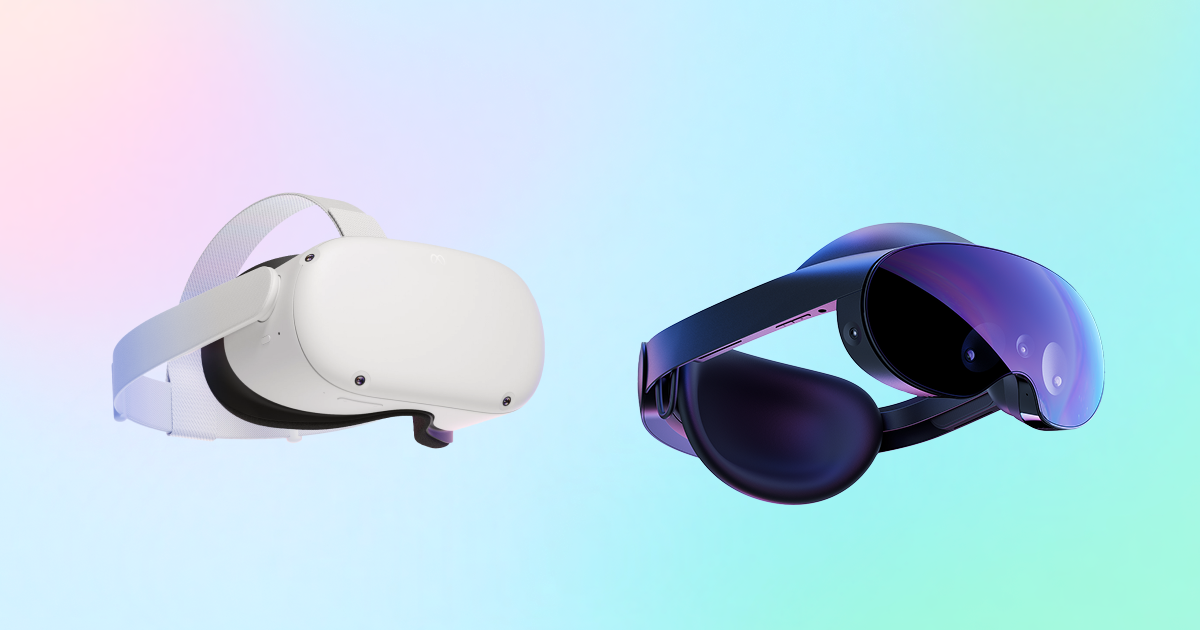
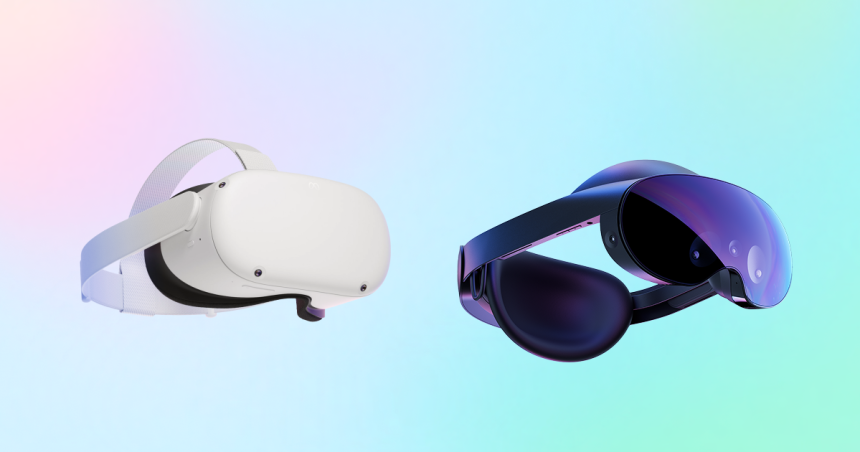
Meta has officially signaled a major shift in its hardware roadmap, confirming that the Quest 2 and Quest Pro are entering their final lifecycle phase. Starting in early 2027, these foundational headsets will transition into an “end-of-feature” status, marking a clear divide between legacy hardware and the company’s next-generation ecosystem.
### The Timeline for Legacy Support
For owners of these devices, the transition will be gradual. The final major software milestone is Horizon OS 2.13. Meta plans to initiate the rollout of this update in January 2027, with the goal of reaching all active Quest 2 and Quest Pro units by March 2027.
Alongside this OS update, the Meta VR OS SDK v213 will serve as the definitive development kit for these models. While the hardware will no longer receive functional upgrades, Meta has committed to maintaining stability for a short period. Users can expect critical bug fixes and essential security patches to continue through the remainder of 2027.
### Why the Shift Matters for Developers and Users
This move effectively draws a line in the sand for software compatibility. Once Horizon OS 2.13 and SDK v213 are deployed, any subsequent platform capabilities, advanced APIs, or OS-level features will be exclusive to the Quest 3, Quest 3S, and future hardware iterations.
To put this into perspective, this is similar to how smartphone manufacturers eventually stop pushing major OS updates to older handsets; while the device remains functional for existing apps, it loses the ability to leverage the cutting-edge processing power or mixed-reality features found in newer models. Because Meta will cease testing future SDK releases against the Quest 2 and Pro architectures, developers will likely shift their focus toward optimizing for the Quest 3’s superior chipset and depth-sensing capabilities.
### Looking Ahead: The Quest 3 Era
As of 2024, the VR market has seen a significant pivot toward mixed reality (MR) and high-fidelity passthrough, features that the Quest 3 and 3S were specifically engineered to handle. By sunsetting the older hardware, Meta is streamlining its development pipeline, allowing engineers to focus on pushing the boundaries of spatial computing without the constraints of legacy hardware limitations.
For current users, this doesn’t mean your headset will stop working overnight. However, it does signal that the window for experiencing the latest software innovations on these specific devices is closing. If you rely on your Quest 2 or Pro for professional or high-end gaming applications, the next two years will be the time to evaluate how these changes impact your workflow or entertainment setup.