



The Future of PvE in Overwatch 2: A Strategic Pivot
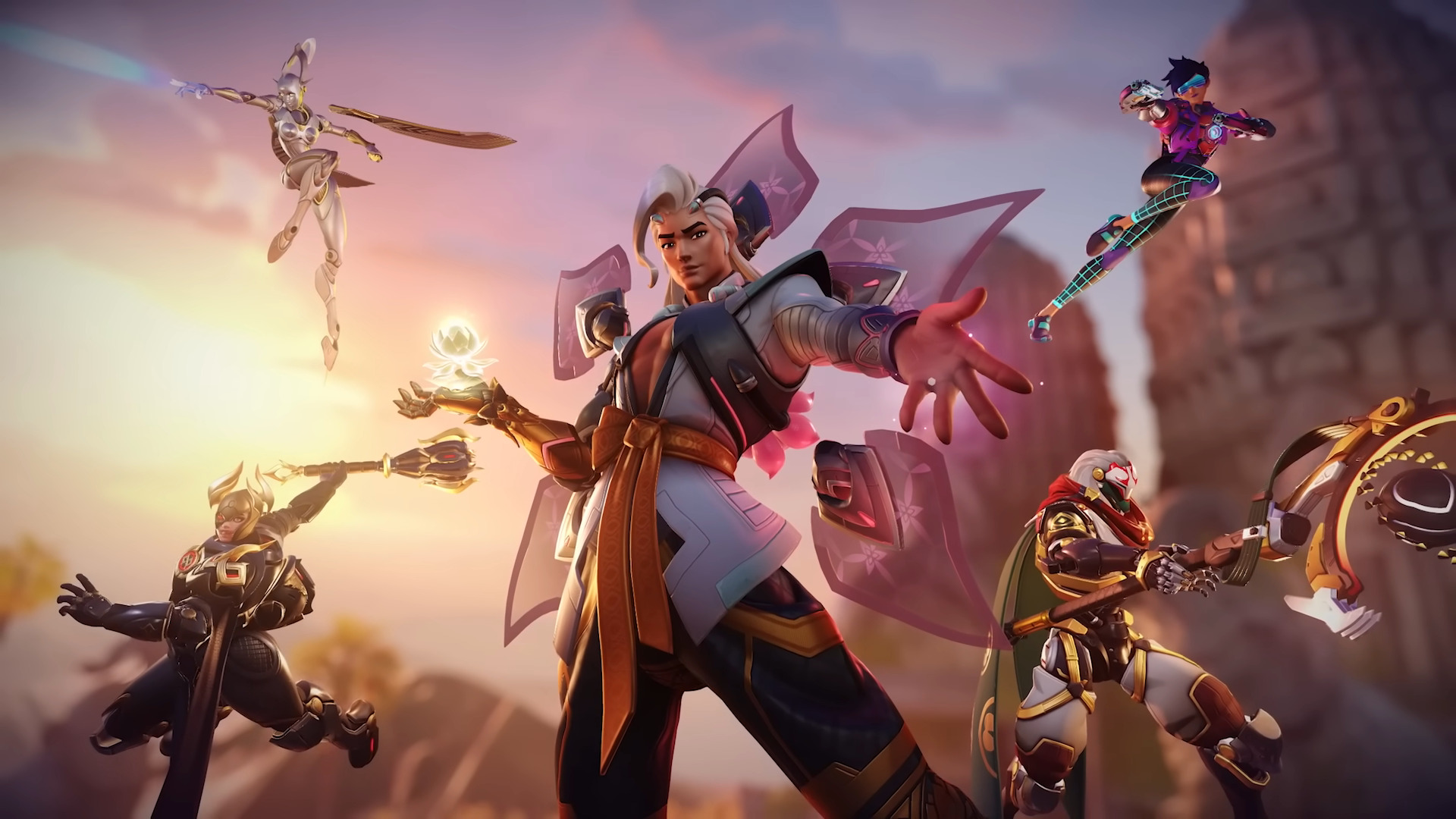
The trajectory of Overwatch 2 has been defined by a complex relationship with its promised Player vs. Environment (PvE) features. While the development team has incrementally integrated cooperative elements into the competitive shooter, the ambitious scope originally envisioned for the sequel has been significantly scaled back. In a recent discussion with TheGamer, Game Director Aaron Keller clarified that while the door remains open for future cooperative experiences, the prospect of a traditional, expansive campaign is effectively off the table under the current framework.
Why the Original Campaign Vision Stalled
Reflecting on the PvE missions released to date, Keller offered a candid assessment of their performance. Despite the narrative depth these missions provided, they failed to achieve the engagement levels the studio anticipated. “It didn’t really get played the way that we wanted it to,” Keller noted, highlighting a disconnect between player expectations and the actual gameplay loop.
Beyond player engagement metrics, the sheer resource intensity required to build these modes proved to be a major bottleneck. Developing high-fidelity PvE content demands a level of investment that often detracts from the core competitive experience. Consequently, the team has shifted its storytelling strategy, opting to utilize high-quality cinematics to advance the Overwatch lore rather than dedicating massive development cycles to playable missions that struggle to retain a consistent player base.
The Path Forward: Smaller Experiences vs. Standalone Titles
For fans hoping for a return to the grand, narrative-driven PvE experience, the reality is that such a project would likely require a complete departure from the current live-service model. Keller suggests that a full-scale campaign would essentially necessitate the creation of an entirely separate game. This aligns with broader industry trends where live-service titles, such as Apex Legends or Valorant, prioritize tight, repeatable multiplayer loops over sprawling, one-off narrative campaigns.
Moving forward, the Overwatch team is focusing on agility. Instead of massive, resource-heavy expansions, the studio is exploring smaller, more frequent PvE “experiences” that can be integrated into the existing ecosystem without compromising the health of the competitive scene. By keeping these additions modular, Blizzard aims to satisfy the community’s desire for story progression while maintaining the focus on the high-octane, team-based combat that remains the franchise’s primary draw.