





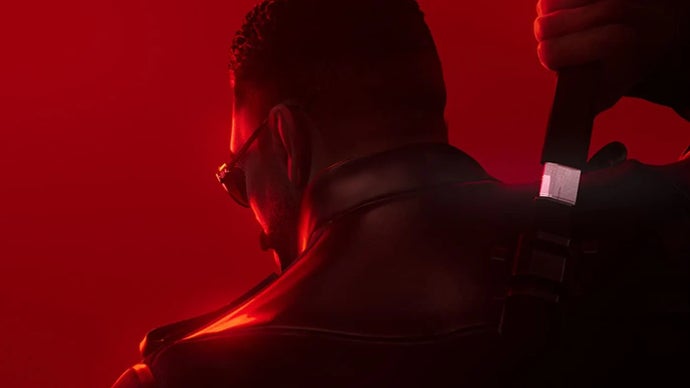
Internal Friction: The Controversy Surrounding Arkane Lyon and Marvel’s Blade
The future of Arkane Lyon has become a focal point of industry tension, with the French labor union Syndicat des travailleureuses du jeu vidéo (STJV) leveling serious allegations against Microsoft. According to the union, the tech giant is effectively undermining the development of the highly anticipated Marvel’s Blade, utilizing self-inflicted project delays as a pretext to shutter the acclaimed studio.
Strategic Stagnation: The Impact of Hiring Freezes
At the heart of the dispute is a 19-month hiring freeze imposed by Microsoft. The STJV contends that this prolonged period of restricted recruitment directly hampered the studio’s ability to scale its workforce, leading to the very production bottlenecks that Microsoft is now highlighting to justify a potential closure. By preventing the team from expanding to meet the demands of a AAA project, the union argues that Microsoft created a “manufactured crisis.”
Industry analysts often point to the “mythical man-month” concept-the idea that adding manpower to a late software project makes it later-but the STJV suggests that in this instance, the lack of essential talent acquisition was a deliberate move to stifle momentum rather than a standard management decision.
Quality vs. Corporate Profitability
Despite the administrative hurdles, the STJV maintains that the development of Marvel’s Blade remains on a positive trajectory. The union asserts that the creative output currently matches the high standards synonymous with Arkane’s legacy. However, there is a growing disconnect between the studio’s creative health and its corporate valuation.
The union’s statement is blunt: “Arkane is profitable. Just not profitable enough for Microsoft.” This highlights a recurring trend in the gaming sector where studios are increasingly judged not by their ability to deliver quality products, but by their capacity to meet aggressive, short-term growth targets set by parent corporations. For context, the gaming industry saw over 10,000 layoffs in 2023 alone, a trend that continues to prioritize shareholder dividends over long-term studio stability.
The Economic Paradox of Studio Closure
Perhaps the most striking claim from the STJV is that the financial logic behind a potential shutdown is fundamentally flawed. The union argues that the costs associated with terminating the studio’s 217 employees and abandoning the project would likely exceed the investment required to simply see Marvel’s Blade through to completion.
By choosing to dismantle a functioning, profitable team, Microsoft risks losing not only the potential revenue from a major Marvel title but also the institutional knowledge and specialized talent that defines Arkane Lyon. As the situation develops, the industry remains watchful, questioning whether the pursuit of “hyper-profitability” is ultimately damaging the very assets that drive the gaming market forward.