



This article was initially featured on The Conversation in 2025 and is presented here by The Independent as we approach the 2026 Thanksgiving season.
The Evolution of the Thanksgiving Centerpiece
When families gather for the annual holiday feast, the menu is almost universally anchored by a massive turkey. Yet, it is worth questioning why this specific bird became the undisputed icon of the holiday, overshadowing alternatives like roast beef, glazed ham, or seasonal game meats.
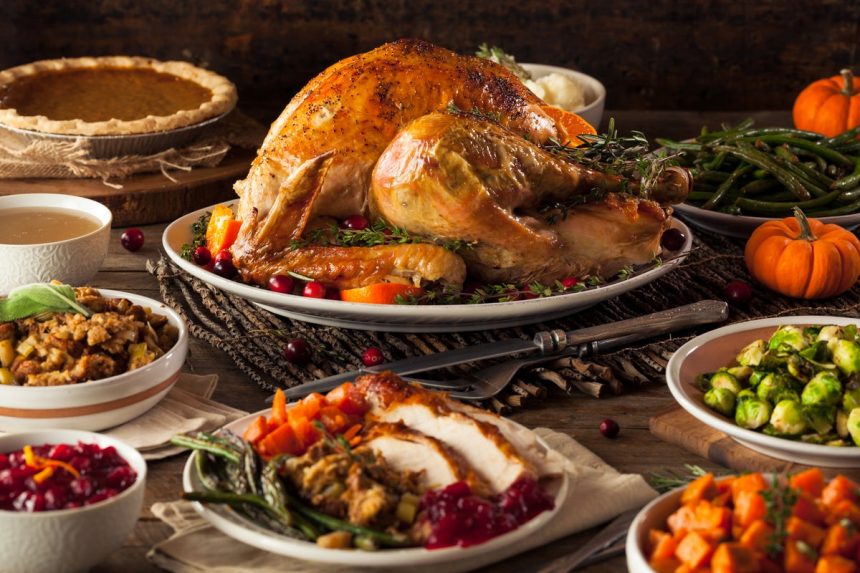
Current data highlights the sheer dominance of this tradition: approximately 88% of American households serve turkey as the primary protein for their holiday meal. Whether the preparation involves deep-frying, traditional oven-roasting, or smoking, the bird remains the focal point of the table.
Debunking the Pilgrim Myth
A common misconception suggests that our modern menu is a direct reflection of the 1621 harvest celebration held by the Pilgrims in Massachusetts and their Wampanoag neighbors. Many assume that because the turkey is a species native to North America, it must have been the centerpiece of that inaugural event.
However, historical evidence suggests that the “turkey tradition” is a much more recent invention. The cultural fixation on this specific poultry actually gained significant traction during the late 19th century, rather than being a direct culinary legacy of the 17th-century settlers.
What Was Really on the Menu in 1621?
To understand the origins of the feast, we must look at the limited primary sources available. The most reliable account of the 1621 gathering comes from Edward Winslow. His journals describe a three-day event where the Wampanoag leader, Massasoit, joined the settlers with 90 of his men. While Winslow mentions the abundance of food and the presence of wild fowl, he does not explicitly confirm that turkey was the star of the show. In fact, historians often point out that venison, waterfowl, and local seafood were far more likely to have been the primary sources of protein during that era.
The transition from a varied harvest meal to a standardized turkey dinner was a gradual shift driven by changing agricultural practices and the romanticization of American history in the Victorian era, rather than a strict adherence to the menu of the first settlers.