



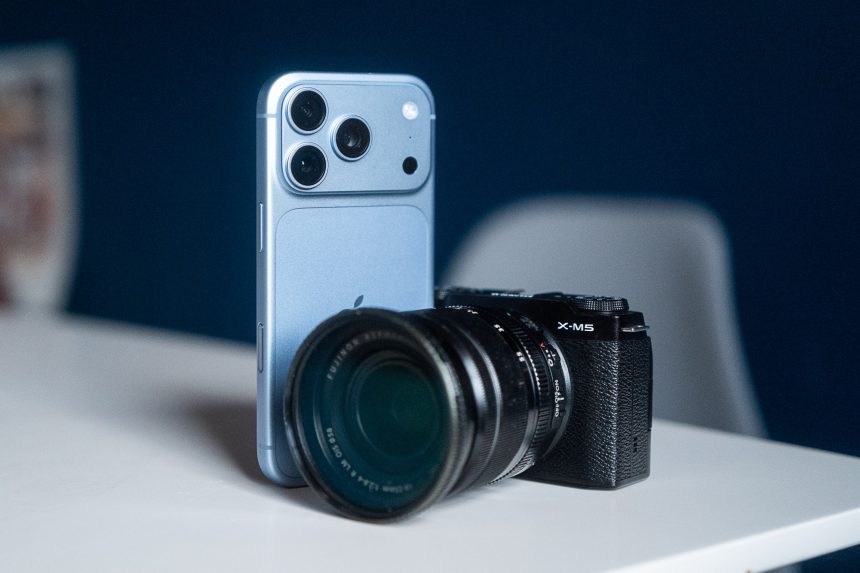
Beyond the Smartphone: Evaluating the iPhone 18 Pro Against Dedicated Mirrorless Systems
The iPhone 18 Pro currently stands as a pinnacle of mobile imaging technology. By integrating a sophisticated suite of high-resolution sensors and versatile optics, it consistently delivers professional-grade results across diverse lighting environments. When combined with the latest iterations of Apple’s Photographic Styles, the device offers a level of creative control that makes it a legitimate tool for enthusiasts and serious mobile photographers alike.
The Great Debate: Computational Photography vs. Optical Precision
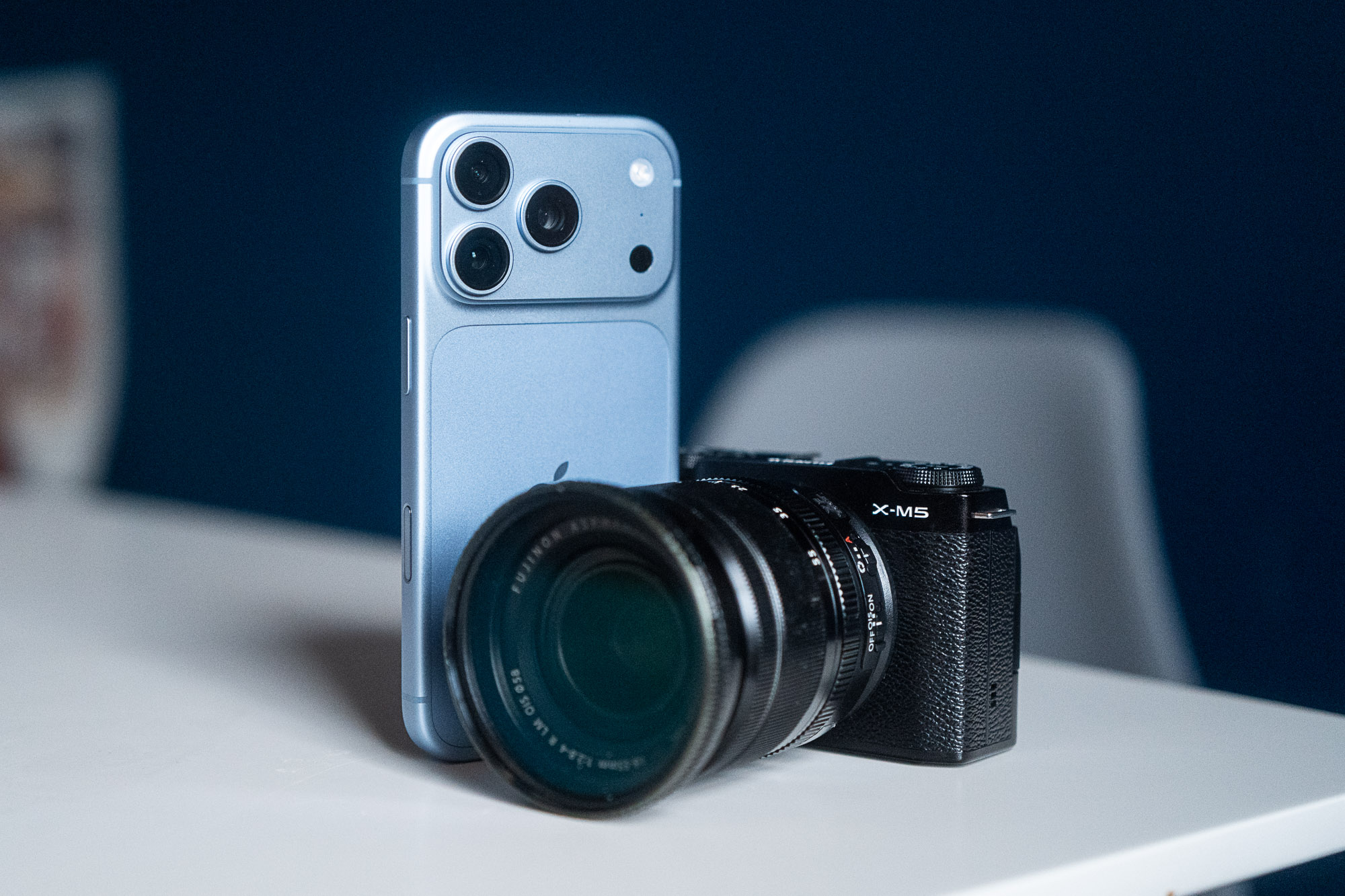
Despite the impressive capabilities of modern phone cameras, the question remains: can a smartphone truly replace a dedicated camera? To explore the practical differences between these two worlds, I conducted a series of field tests comparing the iPhone 18 Pro against the Fujifilm X-M5. The X-M5, a compact mirrorless powerhouse, offers the distinct advantage of interchangeable lenses and a specialized sensor architecture designed specifically for color science and film-like aesthetics.
While the iPhone relies on advanced computational algorithms to synthesize images, the Fujifilm system leans on physical glass and a larger sensor surface area to capture light. Recent industry data suggests that while smartphone sensor sizes have grown by nearly 30% over the last five years, they still struggle to match the dynamic range and depth-of-field control provided by APS-C or full-frame sensors found in mirrorless bodies.
Why Choose a Dedicated Camera?
The decision to carry a separate camera often comes down to the tactile experience and the specific requirements of the shot. For instance, while the iPhone 18 Pro excels at quick, high-dynamic-range snapshots, a mirrorless camera provides a more deliberate workflow. The ability to physically swap lenses-moving from a wide-angle prime for street photography to a telephoto zoom for portraits-offers a level of optical flexibility that digital cropping simply cannot replicate.
Ultimately, this comparison isn’t about declaring a single winner, but rather understanding the unique strengths each platform brings to your creative toolkit. Whether you prioritize the convenience of an all-in-one device or the technical depth of a dedicated system, the gap between the two is narrowing, yet the fundamental differences in how they process reality remain significant.