

The Enduring Tradition of Bond Casting Backlash
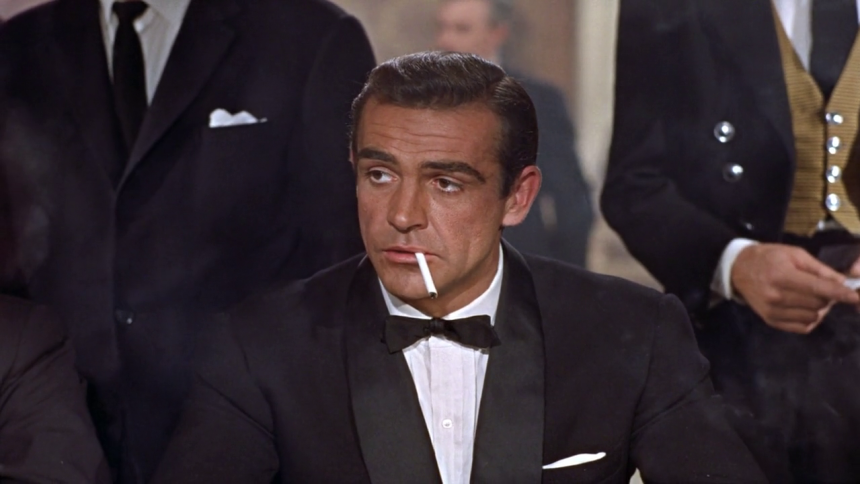
“Sean Connery, chosen to play Bond on the screen, had better be good.” This sentiment, captured on November 3, 1961, marks the 65th anniversary of the moment the world first learned who would embody the cinematic version of 007. It serves as a potent reminder that the internet didn’t invent fan skepticism; audiences have been debating the suitability of James Bond actors since the very beginning.
A Historical Perspective on Casting Scrutiny
By scouring archives on Newspapers.com, it becomes clear that the media’s reaction to Bond casting has always been volatile. There is a distinct pattern: performers who were relatively obscure at the time of their hiring faced significantly harsher criticism than established stars. For instance, actors like Roger Moore and Pierce Brosnan, who had already cultivated “Bond-esque” personas through successful television runs, were met with a warmer reception compared to the relative unknowns who stepped into the role.
To put this into perspective, consider the very first time the secret agent graced the screen. In a 1954 episode of the anthology series Climax!, the character was portrayed by Barry Nelson-and in a twist that would surely break the internet today, the character was reimagined as an American. One can only imagine the sheer volume of vitriol that would have flooded social media platforms had they existed during that era of creative liberty.
The Legacy of the 007 Search
As we currently find ourselves in a period of intense speculation regarding James Bond 26, the rumor mill is working overtime. Whether the mantle eventually falls to Callum Turner, Jack Lowden, Josh O’Connor, or a complete wildcard, the cycle of public opinion remains unchanged. History suggests that regardless of the choice, the initial reaction will be a mix of excitement and intense skepticism.
The Connery Catalyst
The announcement of Sean Connery in 1961 was a watershed moment. It is vital to remember that the James Bond literary phenomenon was exploding in the early 1960s, creating an immense amount of pressure for the production team to get the casting right. The media coverage of that era reflects a public that was deeply protective of Ian Fleming’s creation, setting the stage for the high-stakes casting announcements we see today.