



The Hidden Mob History of Hot Springs: America’s Original Sin City
Long before the neon lights of Nevada defined the American gambling landscape, a quiet town in the Ouachita Mountains served as the unofficial playground for the nation’s most feared crime bosses. Often dubbed the “Sin City of the Bible Belt,” Hot Springs, Arkansas, functioned as a neutral territory where the country’s most dangerous gangsters could trade their tommy guns for towels and soak in the region’s famous thermal springs.
## A Sanctuary for the Underworld
During the mid-20th century, Hot Springs operated under a unique “gentleman’s agreement.” While the rest of the country was embroiled in turf wars, this spa town offered a rare respite for high-profile figures. Legendary mobsters such as Al Capone, Frank Costello, and Charles “Lucky” Luciano frequented the area, treating it as a luxurious base of operations.
The town’s appeal wasn’t limited to organized crime royalty; infamous outlaws like Bonnie and Clyde sought refuge here to recover from their violent escapades, while figures like Bugsy Siegel were known to frequent the local horse tracks. It was a place where the criminal elite could unwind, conduct business, and enjoy the medicinal benefits of the local waters without fear of interference.
## The Precursor to Modern Gambling
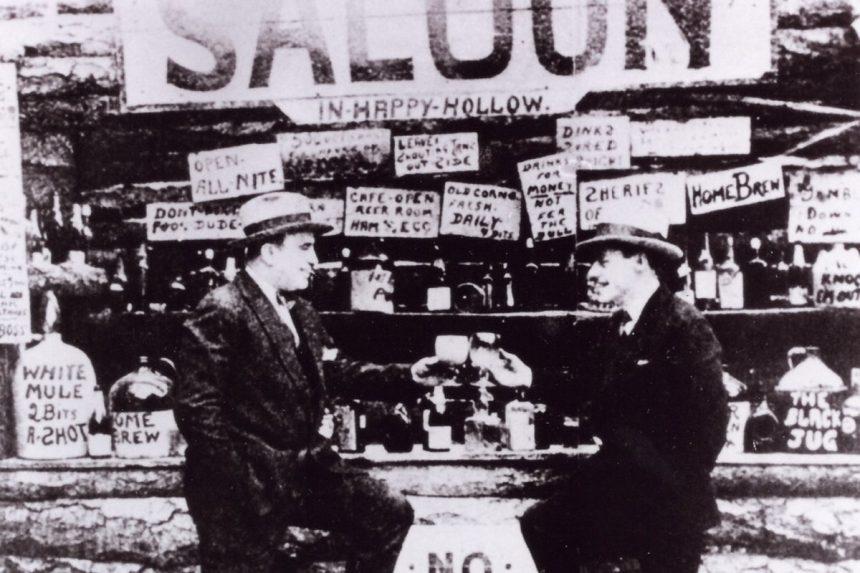
Before Las Vegas transformed from a desolate desert outpost into a global gaming hub, Hot Springs was already perfecting the art of the casino. Throughout the 1930s and well into the 1960s, Central Avenue served as the epicenter of illicit activity. While Vegas was still in its infancy, Hot Springs was already operating sophisticated gambling dens featuring professional croupiers, high-stakes roulette, and rows of slot machines.
The atmosphere was electric, characterized by a blend of high-society leisure and underground vice. The city’s economy was effectively fueled by gambling and the distribution of bootlegged spirits, creating a culture that felt decades ahead of its time.
## The Thermal Appeal
The primary catalyst for the town’s rise-and its enduring popularity today-remains its natural geography. The mineral-rich thermal waters were the original draw, attracting visitors who sought healing and relaxation. Even as the mob influence faded, the legacy of these springs ensured that the town remained a vital tourist destination.
Today, visitors can still walk the historic streets where history was made, though the roulette wheels have long since been replaced by preserved bathhouses and national park trails. The town stands as a fascinating case study in American history, proving that even the most notorious figures in the underworld had a penchant for the finer things in life.
*For a deeper look into the unique cultural landscapes of the United States, check out this exploration of regional history:* I travelled to Kentucky’s Trump towns – here’s why you should too