




The Evolution of Wearable Health Tech: Predicting Hypertensive Crises
The landscape of wearable technology has expanded far beyond the initial novelty of basic fitness trackers. Today, consumers can choose from a diverse array of form factors, ranging from sophisticated smartwatches and minimalist, screenless activity bands to discreet smart rings. As these devices have shrunk in size, their internal sensor arrays have grown exponentially in power. What began as simple photoplethysmography (PPG) for heart rate monitoring has matured into a comprehensive suite of clinical-grade diagnostics, including ECG readings, advanced sleep architecture analysis, sleep apnea detection, and even non-invasive blood pressure monitoring.
A New Frontier in Predictive Cardiology
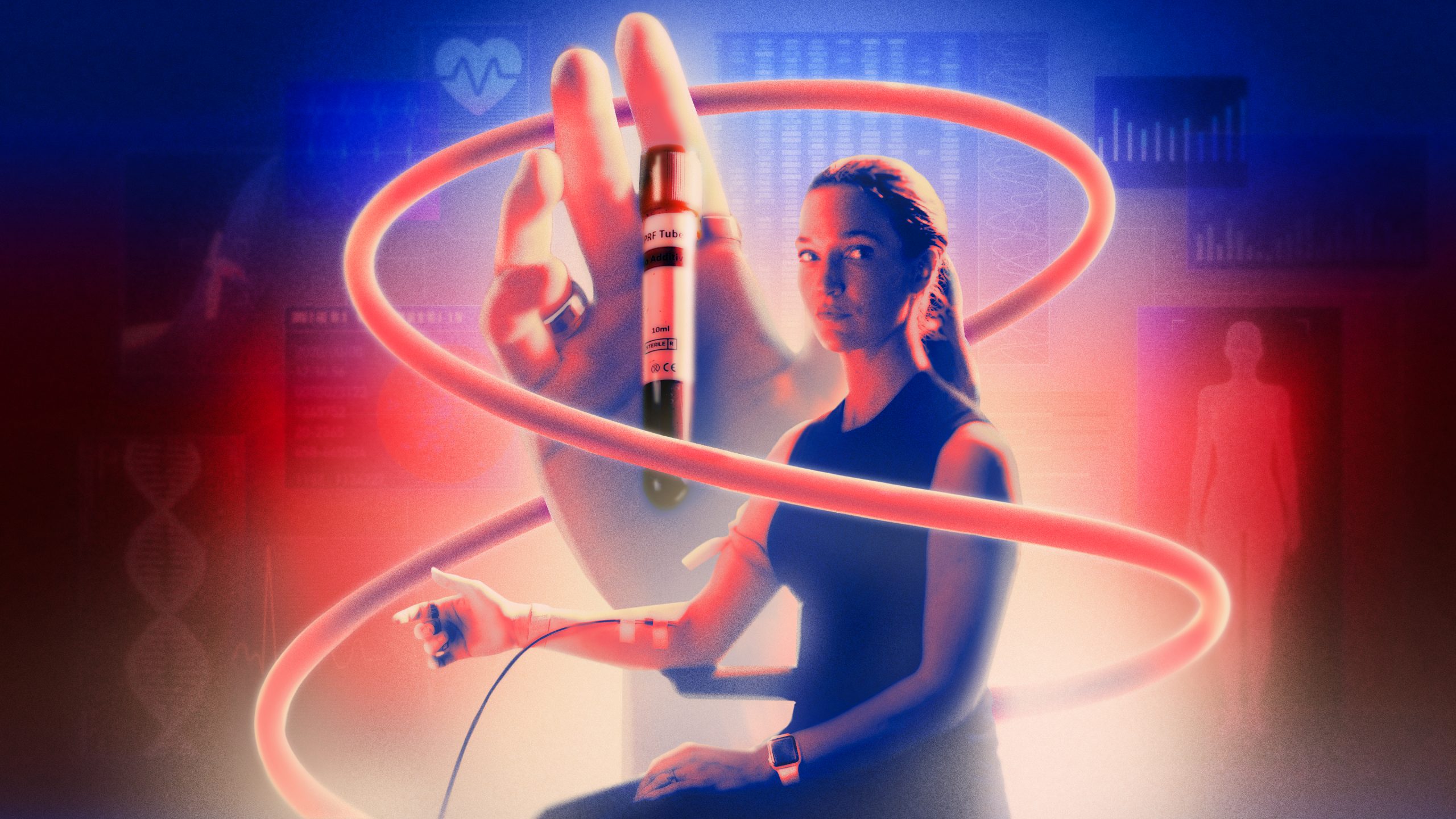
Recent findings published by the American Heart Association suggest that the next generation of mass-market wearable devices can help identify life-threatening health events before they manifest physically. By leveraging artificial intelligence to analyze continuous data streams, these devices may soon be capable of forecasting a hypertensive crisis-a sudden, severe spike in blood pressure-up to 72 hours before it occurs.
This study, which spanned a full year and monitored over 4,000 individuals diagnosed with stage 2 hypertension, marks a significant shift in how we approach preventative medicine. Rather than reacting to symptoms after they appear, patients and physicians can now utilize predictive data to intervene early.
Why Early Detection Matters
A hypertensive crisis is a medical emergency that can trigger rapid, irreversible organ damage. When blood pressure surges uncontrollably, the body is placed under immense stress, significantly increasing the risk of:
* Cerebrovascular events: Including hemorrhagic or ischemic strokes.
* Renal impairment: Sudden damage to the delicate filtering systems of the kidneys.
* Pulmonary complications: Fluid accumulation in the lungs, which can lead to acute respiratory distress.
By integrating AI-driven insights into everyday wearables, we are moving toward a future where a simple wrist-worn device acts as an early warning system, potentially saving lives by alerting users to seek medical attention long before a crisis reaches a critical threshold.