



The Illusion of Digital Vitality: Why Your Smartwatch Isn’t Your Doctor
For a long time, I treated my wearable device as the ultimate authority on my physical well-being. My wrist-worn companion consistently painted a picture of peak performance: my daily step counts were consistently met, my workout intensity was praised, and my sleep quality scores were nothing short of stellar. The device even calculated a “fitness age” that suggested I was nearly a decade younger than my actual birth certificate indicated. Naturally, I fell into a trap of overconfidence.
I began viewing these metrics as an ironclad guarantee of longevity. This false sense of security became my convenient excuse to deprioritize my own medical needs. As a busy mother juggling the chaotic schedules of three children, I found it easy to justify skipping my own annual physical, convincing myself that the data on my screen was a sufficient substitute for a professional clinical evaluation.
The Reality Check
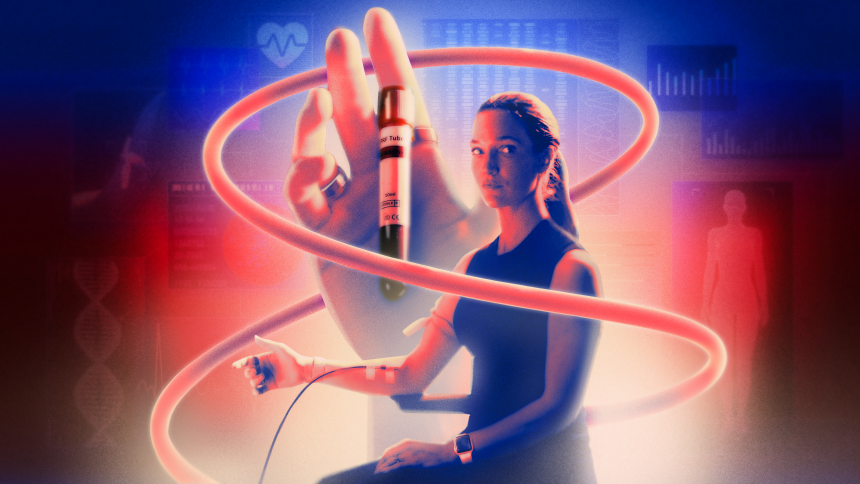
My reliance on these algorithms was shattered by a single, routine blood panel. While my watch was busy celebrating my “cardio fitness,” the lab results revealed a different story-one that my sensors were completely blind to. This experience served as a sobering reminder that while consumer technology is excellent at tracking movement and heart rate, it lacks the diagnostic depth required to monitor internal health markers.
Beyond the Wrist: What Sensors Miss
It is important to recognize that modern wearables-from the Apple Watch to Oura and Whoop-are designed to track external behaviors rather than internal chemistry. While they are fantastic at gamifying fitness, they cannot detect:
* Nutrient Deficiencies: Issues like low iron or Vitamin D levels remain invisible to optical sensors.
* Hormonal Imbalances: Thyroid function and cortisol levels, which significantly impact energy and mood, are not captured by step counts.
* Metabolic Markers: Cholesterol levels and blood glucose trends often require invasive testing to provide an accurate picture of cardiovascular risk.
According to recent data from the American Heart Association, while wearable adoption has surged, there is a growing concern among medical professionals that patients are substituting digital “wellness scores” for evidence-based preventative care. Relying solely on a device to tell you that you are “healthy” can lead to a dangerous delay in diagnosing underlying conditions that don’t manifest as a change in heart rate variability.
Redefining Health Tracking
I still wear my device, but I have fundamentally shifted my perspective. I now view it as a tool for lifestyle motivation rather than a diagnostic medical instrument. If you are using your wearable to justify avoiding the doctor’s office, it is time to recalibrate. Your device can tell you how much you moved today, but only a physician can tell you how your body is actually functioning on the inside.