




The Tech Industry’s Costly Pivot: Why Apple Vision Pro and Other Gadgets Are Getting More Expensive
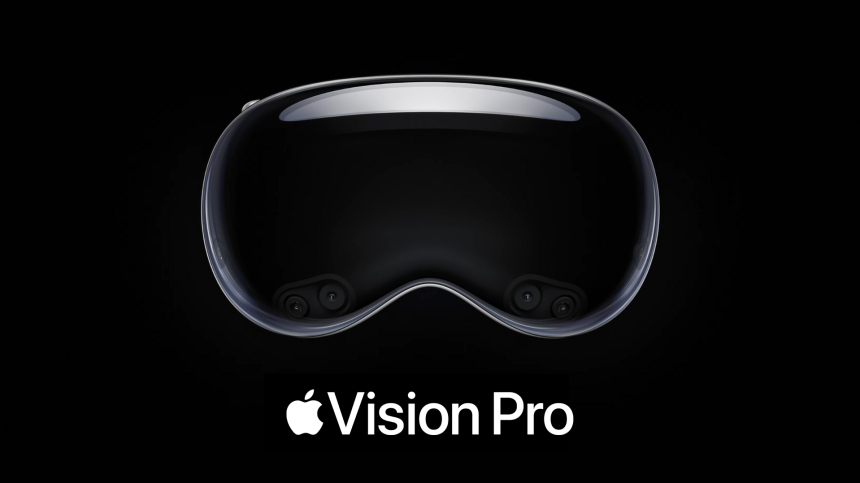
The dream of a more accessible entry point into the world of spatial computing has hit a significant roadblock. Rather than seeing the anticipated price drops for the Apple Vision Pro, consumers are facing a harsh reality: the cost of entry is climbing. Apple has officially adjusted its pricing structure for the Vision Pro (M5), pushing the starting price to $3,700.
Updated Apple Vision Pro Pricing Tiers
The recent adjustments represent a notable shift in Apple’s hardware strategy, impacting all storage configurations:
- 256GB Model: Now $3,699 (previously $3,499)
- 512GB Model: Now $3,899 (previously $3,699)
- 1TB Model: Now $4,199 (previously $3,899)
These hikes are particularly jarring for a device that was already positioned at the extreme high end of the consumer market. While industry analysts previously speculated that Apple might introduce a more budget-friendly version of its visionOS hardware, the current market climate has forced the company to move in the opposite direction. This trend isn’t isolated to the Vision Pro; Apple has implemented similar price adjustments across its broader ecosystem, including iPads, Mac computers, and HomePod audio devices.
The Catalyst: A Global Memory and Storage Crunch
Outgoing Apple CEO Tim Cook has pointed to a singular, massive culprit for these increases: a global memory crisis. In discussions with The Wall Street Journal, Cook described the current supply chain volatility as unprecedented in his four-decade career.
The root of this issue lies in the explosive growth of artificial intelligence. The massive demand for server-side processing-specifically for training and running frontier AI models-is consuming RAM at a rate that global manufacturing capacity simply cannot match. Furthermore, as “agentic” AI systems become more sophisticated, they are generating and archiving data at an exponential pace, creating a secondary bottleneck in the storage sector.
A Widespread Industry Trend
Apple was one of the final major tech giants to hold the line on pricing, but the pressure has finally become too great to ignore. The industry is currently witnessing a domino effect:
* Gaming Consoles: Both Sony and Microsoft have been forced to adjust pricing for the PlayStation 5 and Xbox series to account for rising component costs.
* VR/AR Competition: Meta recently raised the price tags for the Quest 3 and Quest 3S, citing the exact same memory supply constraints.
* PC Hardware: Valve is currently navigating this storm as well. The
The End of Affordable Tech: Why Hardware Costs Are Skyrocketing
The era of budget-friendly consumer electronics is effectively hitting a wall. As we look toward the next few years, the landscape of personal technology-particularly in the realm of Extended Reality (XR)-is shifting toward a premium-pricing model that shows no signs of slowing down.
### The Supply Chain Bottleneck
The primary driver behind this trend is a severe imbalance in the memory market. Industry giants such as Micron and SK Hynix are scrambling to expand their manufacturing capabilities to meet the insatiable appetite for high-performance components. However, building out semiconductor fabrication plants is a multi-year endeavor.
Current market analysis suggests that the demand for advanced memory chips-fueled by the rapid integration of AI and high-fidelity spatial computing-will continue to dwarf supply for the foreseeable future. According to recent industry reports, global semiconductor capital expenditure is projected to remain high, yet the lag between investment and operational output means that supply chain constraints will persist well into the latter half of the decade.



### A Long-Term Outlook for Consumers
For the average buyer, this translates to a sustained period of price inflation. If you are waiting for a market correction, you may be waiting a long time; current projections indicate that consumer tech prices will likely remain elevated through 2027. Any meaningful stabilization in hardware costs is not anticipated until 2028 at the earliest.
This economic reality is already reshaping product roadmaps. For instance, upcoming iterations of Meta’s XR headsets, along with hardware from new competitors entering the standalone VR/AR space, will almost certainly carry higher price tags. Manufacturers are being forced to pass the increased costs of specialized memory and high-end components directly to the end user.
### The New Reality of XR Hardware
The standalone XR market, which once relied on aggressive pricing to capture early adopters, is now pivoting. As these devices require increasingly sophisticated memory architectures to handle complex spatial processing, the “low-cost” entry point is becoming unsustainable.
Think of it like the transition from basic mobile phones to high-end smartphones; as the technology became essential and more complex, the baseline price for a “functional” device shifted upward. We are currently witnessing a similar evolution in the XR sector. For the next two years, at least, consumers should prepare for a market where premium pricing is the standard rather than the exception. The days of inexpensive, high-performance consumer hardware have been put on hold.