

![Watch Carl Cox spotlight his favourite disco records ahead of Louie Vega b2b set at [UNVRS] Ibiza](https://www.mixtv1.com/wp-content/uploads/2026/09/31489-attachment.jpg)

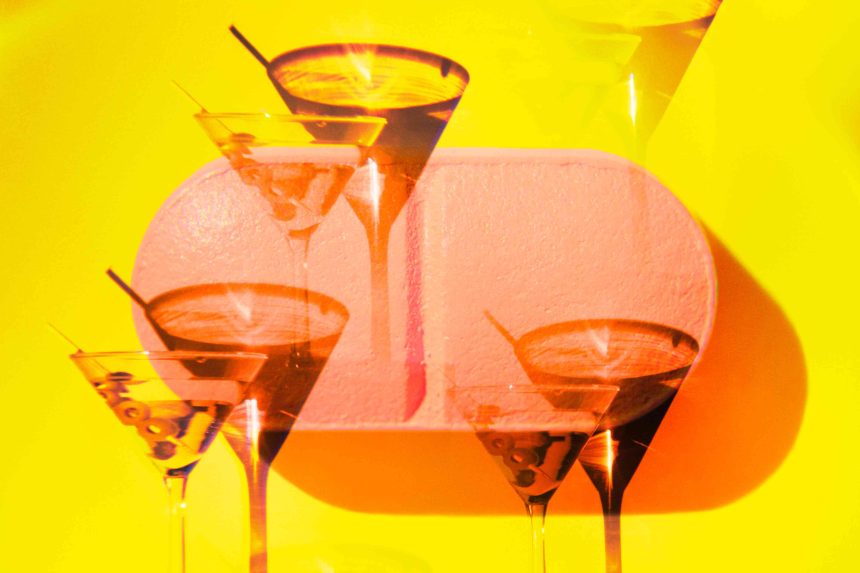
The Hidden Dangers: Why Mixing Alcohol and Medication Is a Risky Gamble
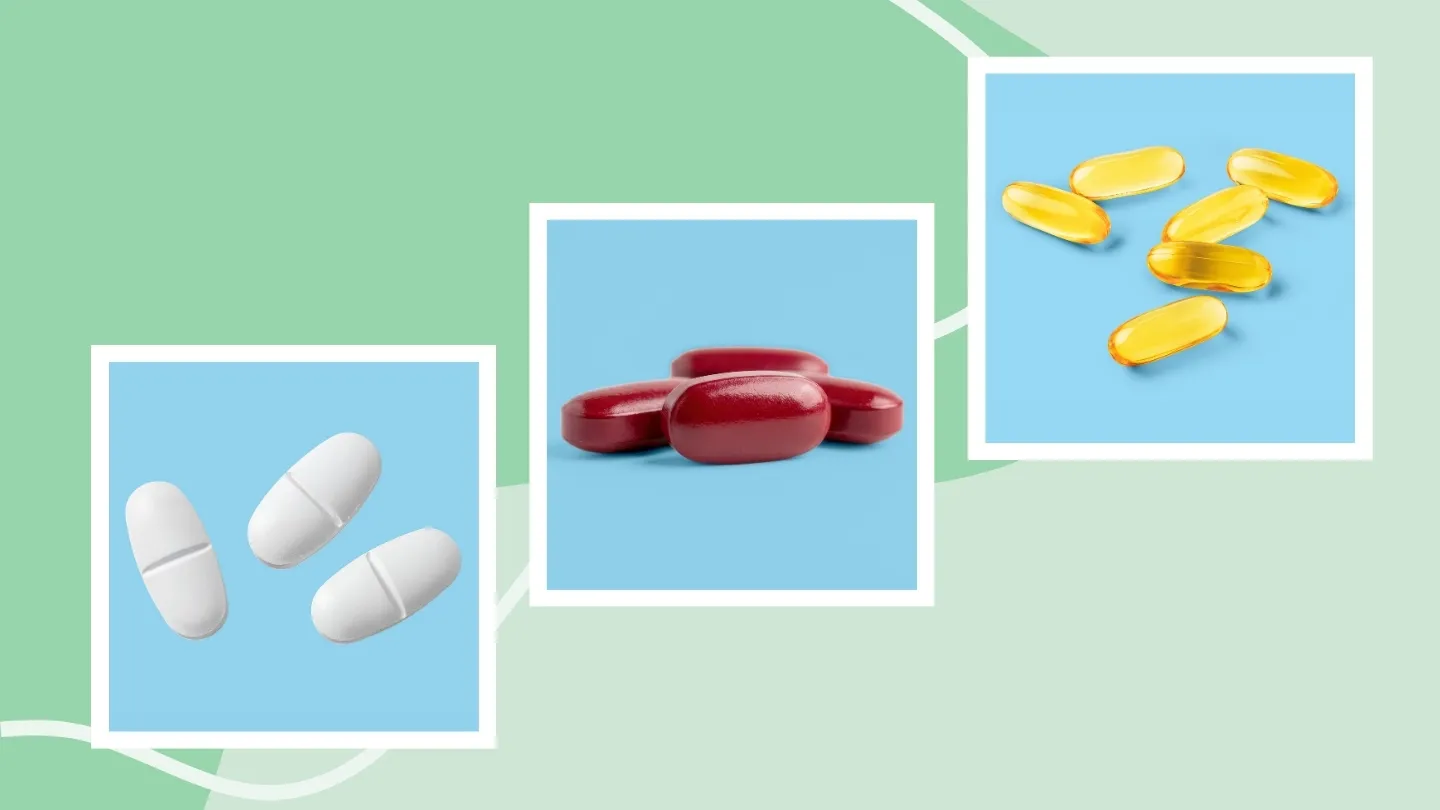
It is common knowledge that prescription bottles often come plastered with cautionary stickers, yet many people treat these warnings as mere suggestions rather than vital safety protocols. When you combine alcohol with certain medications, you aren’t just risking a mild headache; you are potentially triggering a dangerous chemical reaction within your body.
Understanding the Physiological Impact
When you consume alcohol, your liver works overtime to metabolize the substance. Many medications-ranging from common over-the-counter pain relievers to complex antidepressants-also rely on the liver for processing. By introducing both simultaneously, you force your system into a state of metabolic overload.
For instance, consider the interaction between alcohol and acetaminophen (Tylenol). While both are widely used, combining them significantly elevates the risk of acute liver damage. According to recent data from the National Institute on Alcohol Abuse and Alcoholism (NIAAA), millions of emergency room visits annually are linked to adverse drug-alcohol interactions, highlighting that this is a widespread public health concern rather than a rare occurrence.
Common Medication Categories to Monitor
It isn’t just heavy-duty narcotics that pose a threat. Several everyday drug classes require strict abstinence from alcohol:
* Central Nervous System (CNS) Depressants: Drugs like benzodiazepines (used for anxiety) or sleep aids amplify the sedative effects of alcohol. This can lead to dangerously slowed breathing, impaired motor coordination, and, in severe cases, loss of consciousness.
* Non-Steroidal Anti-Inflammatory Drugs (NSAIDs): Medications like ibuprofen or naproxen can irritate the stomach lining. Alcohol acts as an additional irritant, which significantly increases the likelihood of gastrointestinal bleeding or ulcers.
* Antihistamines: Even standard allergy medications can cause extreme drowsiness when mixed with a glass of wine or a beer, making tasks like driving or operating machinery hazardous.
Why “One Drink” Can Still Be Too Many
Many individuals operate under the misconception that a single drink is harmless. However, the threshold for an adverse reaction varies wildly based on age, weight, genetics, and the specific dosage of the medication. Think of it like adding a catalyst to a volatile experiment; even a small amount can drastically alter the outcome of the reaction.
As we age, our bodies become less efficient at processing both alcohol and pharmaceuticals. A dosage that felt manageable in your thirties might cause significant dizziness or confusion in your sixties. Prioritizing your health means respecting the chemical boundaries set by your healthcare provider.
Prioritizing Safety Over Convenience
The warning labels on your medication bottles are there to protect your long-term organ health and immediate safety. Before reaching for a cocktail while on a course of treatment, take a moment to consult your pharmacist or physician. It is always better to be overly cautious than to face the consequences of a preventable medical emergency.
Yes, there’s a warning label for a reason. » More Info >>>