





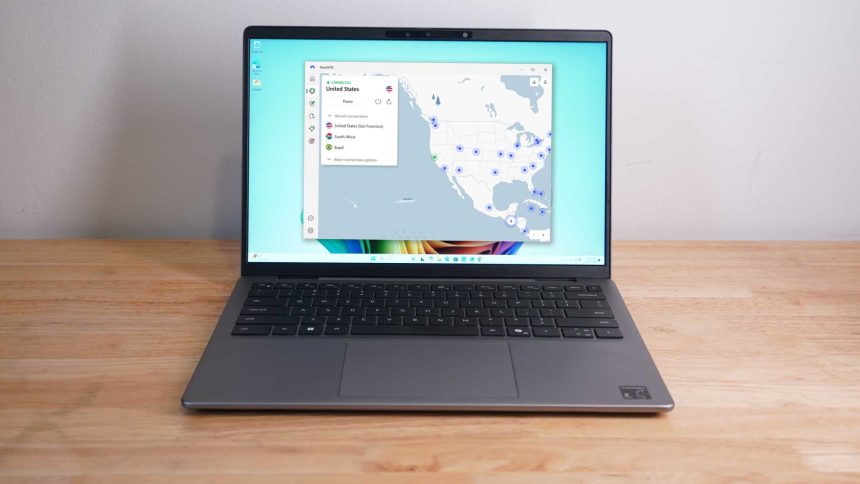
Secure Your P2P Downloads: The Essential Guide to VPNs for Torrenting
While peer-to-peer (P2P) file sharing continues to be a highly efficient method for distributing and acquiring large datasets, it is not without significant digital risks. Engaging in torrenting without adequate safeguards can leave your personal data vulnerable, as your internet service provider (ISP) can easily monitor your traffic patterns, and your unique IP address remains visible to every other peer in the swarm.
Why Your Privacy is at Risk During Torrenting
When you participate in a torrent swarm, you are essentially broadcasting your IP address to everyone else downloading or uploading the same file. This transparency allows third parties-including copyright trolls, malicious actors, and your own ISP-to track your digital footprint. Furthermore, ISPs often employ “bandwidth throttling” when they detect heavy P2P traffic, intentionally slowing down your connection speeds.
Recent industry reports indicate that cyber threats embedded within torrent files are on the rise. According to cybersecurity research, nearly 1 in 10 torrent files for popular software or media contains some form of malware or tracking script. Relying solely on your browser’s security is insufficient; you need a robust layer of protection that operates at the network level.
The Role of a VPN in P2P Security
A Virtual Private Network (VPN) acts as a secure tunnel for your internet traffic. By routing your data through an encrypted server, a VPN achieves three critical objectives:
* IP Masking: It replaces your actual IP address with one belonging to the VPN server, ensuring your physical location and identity remain anonymous to the swarm.
* ISP Obfuscation: Because your traffic is encrypted, your ISP cannot distinguish between standard web browsing and P2P file sharing, effectively preventing them from throttling your bandwidth.
* Data Encryption: High-level encryption protocols (such as AES-256) ensure that even if a malicious file is intercepted, the contents of your connection remain unreadable to outside observers.
Choosing the Right Protection
Not all VPNs are created equal when it comes to P2P activity. To ensure a seamless experience, look for providers that offer a strict “no-logs” policy, a reliable “kill switch” (which cuts your internet if the VPN connection drops), and optimized servers specifically configured for high-speed file transfers.
For a comprehensive breakdown of the most secure and fastest services currently available for P2P users, we have compiled a list of top-tier providers that prioritize both speed and anonymity.