





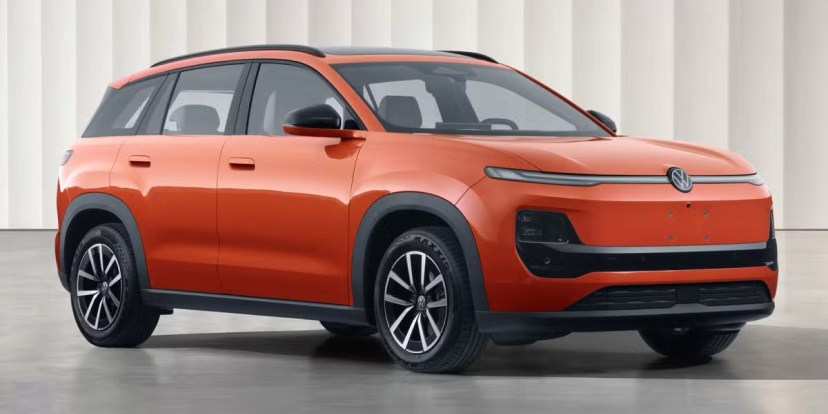
The Great Reverse: Volkswagen’s Strategic Pivot Toward Chinese EV Innovation
The evolution of the Chinese electric vehicle (EV) sector has transcended mere incremental growth; it represents a radical leap into a new technological epoch. This seismic shift has not gone unnoticed by industry titans, with Volkswagen emerging as a primary observer. The traditional paradigm-where premium German engineering is meticulously crafted in Wolfsburg and exported to Asian markets-is rapidly approaching its expiration date.
From Export Hub to Innovation Source
Recent insights from the German publication Handelsblatt reveal that Volkswagen is currently conducting a comprehensive internal feasibility study that signals a historic reversal of its operational flow. Rather than relying solely on domestic German development, the automotive giant is actively investigating the viability of importing electric and hybrid platforms engineered in China directly into European markets.
This strategy is driven by the concept of “China-speed”-a development cycle that has allowed local manufacturers to iterate, test, and launch new models at a velocity that legacy automakers have struggled to match. For context, while traditional European development cycles often span four to five years, Chinese EV startups have demonstrated the ability to bring a vehicle from concept to production in as little as 24 to 30 months.
Adapting to a New Competitive Landscape
The core question for Volkswagen now centers on execution: should the company import finished vehicles directly from Chinese production lines, or should it undertake the massive task of retooling European facilities, such as the Zwickau plant, to accommodate these new platforms?
This pivot is a pragmatic admission that the competitive landscape has fundamentally changed. By integrating Chinese-developed technology, Volkswagen aims to bridge the innovation gap that has widened as software-defined vehicles become the industry standard. The logic is clear: in an era where the pace of the Chinese EV ecosystem is setting the global benchmark, legacy manufacturers must either adapt their development DNA or risk obsolescence.