




The Evolution of Automated Waste Management: Is the Litter-Robot 5 Pro Worth the Hype?
For modern pet parents, the pet tech landscape has been revolutionized by the self-cleaning litter box. The promise is simple: eliminate the daily chore of scooping. However, the latest generation of these devices aims to go beyond mere convenience, offering sophisticated health monitoring features that could potentially alert owners to early signs of feline illness. With the introduction of multi-cat identification technology, the dream of personalized health tracking for every pet in the household seems closer than ever.
Testing the Limits of AI-Driven Feline Care
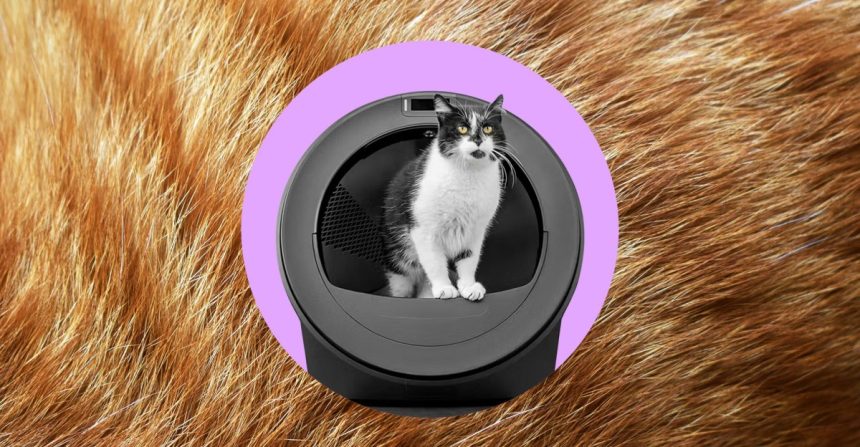
Whisker, the industry leader in robotic waste solutions, recently launched the Litter-Robot 5 Pro. This flagship model is packed with high-tech hardware, including a dual-camera array and advanced sensors designed to analyze waste patterns. By leveraging machine learning, the device is marketed as a tool that doesn’t just clean, but also accurately monitor and track your cat’s bathroom habits.
In practice, however, the reality of this technology is more complex. While the hardware is impressive, the software’s ability to distinguish between multiple cats-a critical feature for accurate health reporting-often falls short of expectations.
Real-World Performance: A Six-Month Deep Dive
To understand how these devices hold up over time, I conducted a rigorous six-month evaluation. I compared the premium Litter-Robot 5 Pro against its more accessible sibling, the $599 Litter-Robot Evo.
My household includes two active indoor/outdoor cats, Smokey and Boone. While both felines adapted quickly to the automated system, the “facial recognition” and individual tracking features struggled to maintain consistent accuracy. Despite the sophisticated AI, the system frequently confused the two, rendering the granular health data less reliable than a pet owner might hope for at an $899 price point.
The Future of Smart Litter Boxes
While the industry is moving toward “smart” homes for pets, current statistics suggest that reliability remains the primary concern for consumers. According to recent market trends, while interest in AI-integrated pet products has surged by over 30% in the last two years, user satisfaction often hinges on the consistency of the software rather than the complexity of the hardware.
For now, the Litter-Robot 5 Pro serves as a high-end automated scooper that excels at keeping the home clean, but its promise of precise, individual health diagnostics remains a work in progress. If you are looking for a reliable way to manage waste, the core functionality is excellent, but don’t rely solely on the AI tracking to replace a veterinarian’s assessment.