





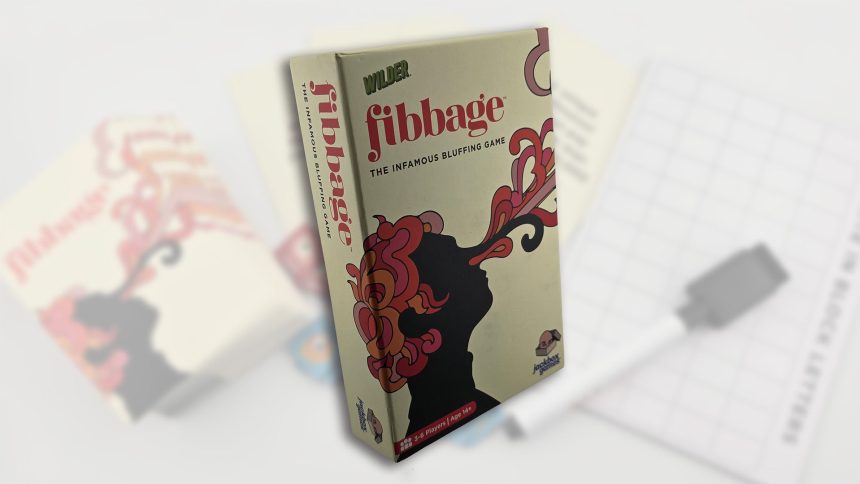
Bringing the Digital Bluffing Classic to Your Living Room Table
If you were a regular at social gatherings during the mid-2010s, you likely encountered the digital phenomenon known as Fibbage. Developed by the creative minds at Jackbox Games, this title became a staple of the era, challenging players to outsmart their friends through creative deception. Over the past decade-since its original 2014 debut-the franchise has expanded into numerous digital sequels. Now, Jackbox Games is making a significant pivot, transitioning this beloved party experience from the screen to the physical tabletop.
The Evolution of Fibbage: From Console to Cardboard
The Fibbage Card Game marks a new chapter for the series, stripping away the need for controllers, smartphones, or stable Wi-Fi connections. While the medium has shifted, the core DNA of the game remains intact. The transition to a physical format is a strategic move; according to recent industry data, the tabletop gaming market has seen a consistent annual growth rate of over 10% since 2020, as players increasingly seek “analog” social experiences to balance their screen-heavy lives.
How the Tabletop Mechanics Work
The gameplay loop that defined the digital version has been meticulously adapted for a card-based environment. The structure relies on a rotating “Revealer” role, ensuring everyone gets a turn to facilitate the chaos:
- The Setup: The Revealer draws a card featuring a prompt with a missing piece of information.
- The Deception: While the Revealer holds the actual truth, every other participant must invent a believable, yet entirely fabricated, answer to fill in the blank.
- The Reveal: The Revealer mixes the genuine answer with the players’ creative lies, presenting them all to the group.
- The Scoring: Players earn points by successfully tricking their friends into choosing their fake answers, or by correctly identifying the truth amidst the sea of misinformation.
Much like how a classic game of Balderdash relies on the wit of the participants, the Fibbage Card Game thrives on the social dynamics of the room. It turns the act of lying into a competitive sport, rewarding those who can craft the most convincing narratives under pressure.