




Democratizing Grand Strategy: How Afterworld Aims to Simplify Complex Simulations
The allure of grand strategy titles often lies in their sheer magnitude. Players are tasked with the monumental responsibility of architecting a civilization from its infancy, meticulously managing resource distribution, and executing geopolitical maneuvers to project power across a map. For veterans of franchises like Hearts of Iron, Crusader Kings, or Sid Meier’s Civilization, these games provide a unique canvas for emergent storytelling and deep strategic agency. However, the steep learning curve inherent in these titles frequently acts as a barrier to entry for newcomers, turning what should be an empowering experience into an intimidating chore.
A Fresh Perspective on Post-Apocalyptic 4X Gameplay
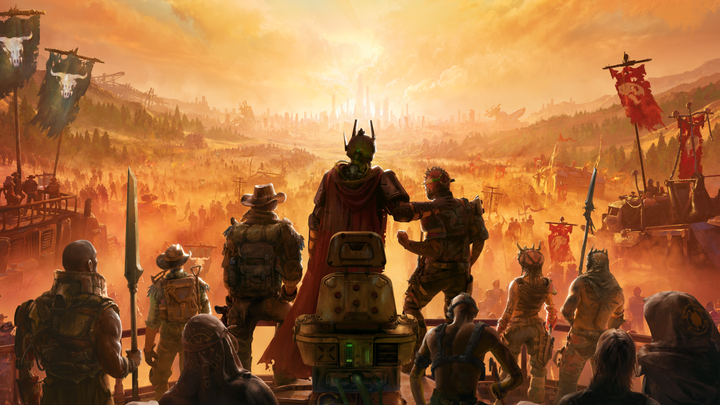
Paradox Interactive is looking to dismantle these barriers with its upcoming title, Afterworld. By shifting the traditional grand strategy framework into a post-apocalyptic landscape, the developers are reimagining how players interact with 4X mechanics. Instead of managing established empires, players lead “tribes” struggling to carve out a future in a world that is only just beginning to heal from catastrophe.
The game prioritizes exploration and the evolution of culture over the rigid, spreadsheet-heavy management often found in the genre. The setting is as eclectic as it is dangerous, featuring a vibrant mix of threats and opportunities-from cybernetically enhanced billionaires and mutated wildlife to rival factions that have turned to cannibalism to survive. This narrative-driven approach serves as a “hook,” grounding complex systems in a world that feels immediate and reactive.
Lowering the Barrier to Entry
According to Dan Lind, the game director at Paradox Development Studio, Afterworld is a deliberate attempt to broaden the appeal of the grand strategy genre. By integrating RPG-like elements and a more intuitive sandbox environment, the team hopes to invite a wider audience into the fold. The goal is to retain the depth that genre enthusiasts crave while ensuring that the initial steps into the game are welcoming rather than overwhelming.
Recent industry data suggests that while the strategy genre has seen a resurgence-with titles like Stellaris and Age of Wonders 4 consistently maintaining high player counts-the “entry friction” remains a primary concern for developers. By focusing on smaller-scale tribal management before expanding into global dominance, Afterworld aims to bridge the gap between casual play and hardcore simulation.
Related: Warlock’s magic system was built on game-bending player choices