

A New Era at Cupertino: The Transition from Tim Cook to John Ternus
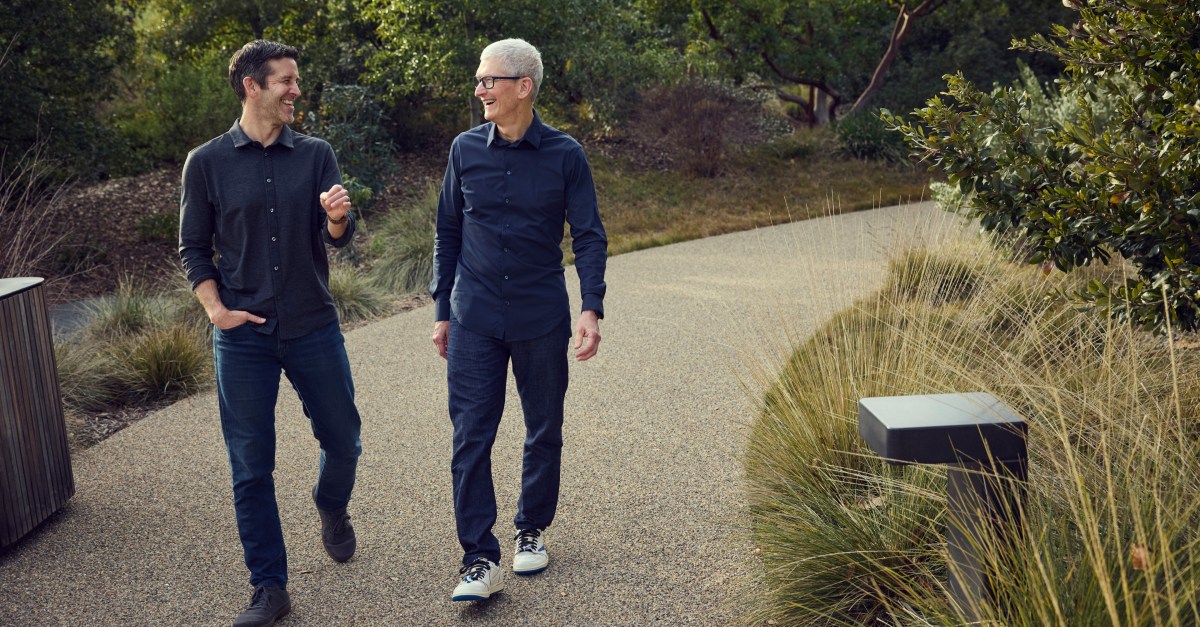
The leadership landscape at Apple has officially shifted. After a transformative 15-year tenure that saw the company evolve from a hardware-focused innovator into a global services and ecosystem powerhouse, Tim Cook has stepped down as CEO. Taking the helm is John Ternus, a seasoned veteran of Apple’s hardware engineering division. This transition marks a pivotal moment for the tech giant as it navigates a future defined by artificial intelligence and shifting market demands.
The Legacy of the Cook Era
When Tim Cook assumed the role of CEO in 2011, the skepticism was palpable. Replacing Steve Jobs-a figure synonymous with the brand’s identity-was an unenviable task. Yet, Cook’s tenure proved to be one of the most successful periods in corporate history. Under his guidance, Apple’s market capitalization soared, crossing the $3 trillion threshold, and the company successfully diversified its revenue streams through the expansion of the Apple Watch, AirPods, and a robust services division.
However, the journey was not without its hurdles. While Cook mastered supply chain logistics and scaled the company to unprecedented heights, critics often pointed to a perceived slowing of “magical” product innovation compared to the Jobs era. Balancing the company’s massive scale with the need for groundbreaking, industry-defining hardware remains the primary challenge inherited by his successor.
John Ternus: The Hardware Architect’s New Mandate
John Ternus, previously the Senior Vice President of Hardware Engineering, is widely viewed as a “product-first” leader. His background in overseeing the development of the iPad, the transition to Apple Silicon, and the latest iPhone iterations suggests that Apple may be pivoting back toward a more hardware-centric narrative.
For Ternus, the “Day One” briefing is clear: maintain the operational excellence established by Cook while reigniting the spark of radical innovation. As he settles into his new office-a space famously designed with the minimalist, handle-less aesthetic championed by Jony Ive-the pressure to deliver the next “big thing” is immense.
Strategic Priorities for the Incoming CEO
As Ternus begins his tenure, he faces a distinct set of priorities that differ from those of his predecessor:
* The AI Integration: Unlike the mobile-first transition of the early 2010s, the current landscape is dominated by generative AI. Ternus must integrate Apple Intelligence across the entire product stack without compromising the company’s strict privacy standards.
* Hardware Evolution: With the smartphone market reaching saturation, Ternus is tasked with finding the next hardware frontier, whether that involves advancements in spatial computing or new wearable form factors.
* Regulatory Navigation: Apple is currently facing unprecedented antitrust scrutiny in both the EU and the US. Managing these legal headwinds while maintaining the “walled garden” ecosystem will require a delicate diplomatic touch.
Looking Ahead
The transition from Cook to Ternus is more than just a change in personnel; it is a signal of Apple’s intent to double down on its engineering roots. While Cook provided the stability and financial growth that turned Apple into a titan, Ternus is expected to provide the technical vision required to keep the company relevant in an increasingly competitive and AI-driven market.
A day-one briefing for Apple’s new CEO
Tim Cook’s Apple: his 10 biggest wins and misses