





Why an OpenAI IPO Remains Off the Table for Now
The prospect of OpenAI transitioning into a publicly traded company has been a frequent topic of speculation among investors and tech enthusiasts alike. However, recent commentary from leadership suggests that the organization is prioritizing internal stability over the pressures of the stock market.
Prioritizing Safety Over Market Expansion
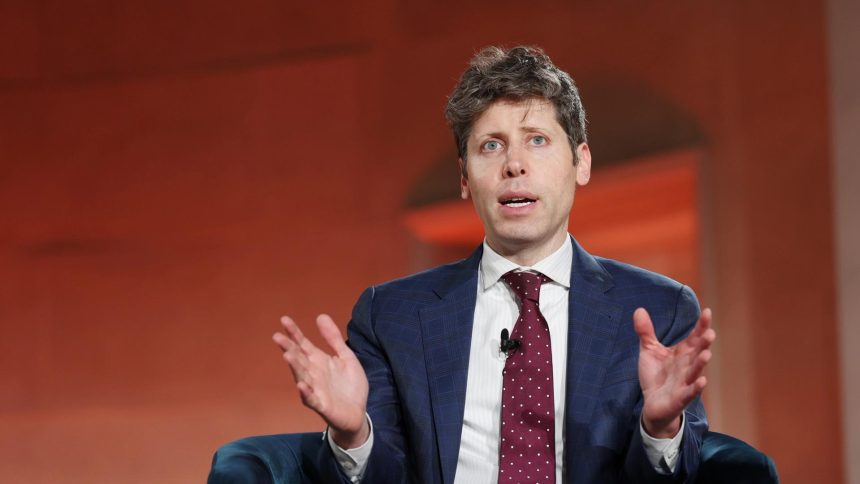
Sam Altman, the CEO of OpenAI, recently addressed the possibility of an Initial Public Offering (IPO) during an interview with Fortune. He explicitly stated that, given the current landscape surrounding artificial intelligence safety and governance, attempting to go public at this juncture would be a strategic misstep.
For a company at the forefront of generative AI, the regulatory environment is shifting rapidly. By remaining private, OpenAI retains the flexibility to navigate complex ethical challenges and safety protocols without the immediate, quarterly scrutiny that public shareholders demand. This approach allows the firm to focus on long-term research milestones rather than short-term financial reporting.
The Strategic Value of Staying Private
While many tech giants eventually seek the liquidity provided by public markets, OpenAI’s current stance reflects a broader trend among high-growth AI labs. Maintaining a private structure offers several distinct advantages:
* Operational Agility: Without the burden of public disclosure requirements, the company can pivot its research focus as new safety data emerges.
* Long-Term Vision: Private ownership shields the organization from the volatility often associated with speculative tech stocks, allowing for sustained investment in compute-heavy infrastructure.
* Governance Control: As the industry faces increased pressure from global regulators, staying private ensures that the company’s core mission-developing safe AGI-remains the primary objective, rather than being diluted by external market pressures.
Industry Context and Future Outlook
The AI sector is currently experiencing unprecedented capital inflows. According to recent industry reports, private AI funding reached record highs in 2024, suggesting that companies like OpenAI have sufficient runway to continue scaling without needing to tap into public equity markets immediately.
While an IPO may eventually be on the horizon as the company matures, the current consensus is that the risks associated with public scrutiny-particularly regarding safety and alignment-outweigh the benefits of a public listing for the time being.