




A Look Back: Pivotal Moments from Early November
History is often defined by the tension of the present. As the United States finds itself gripped by the nail-biting uncertainty of a modern presidential election-a stark contrast to the optimistic “hope and change” narrative that defined Barack Obama’s 2008 triumph-it is worth reflecting on how previous generations navigated their own political crossroads. From the shifting tides of the Soviet Union to the internal fractures of the British government, the early days of November have frequently served as a crucible for global change.
The Soviet Union’s Turning Point: November 1987
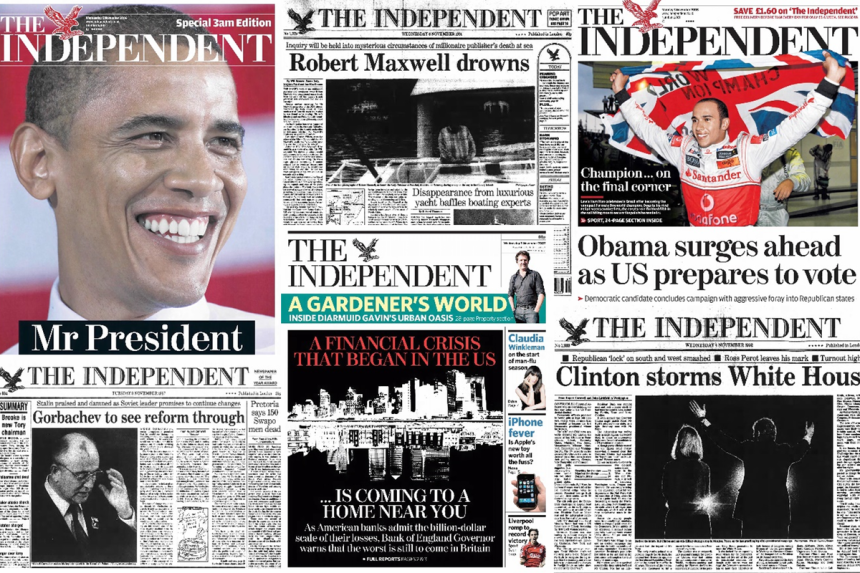
On November 3, 1987, the geopolitical landscape shifted as Mikhail Gorbachev took the podium to deliver what remains one of the most significant speeches of his tenure. Marking the 70th anniversary of the Russian Revolution, Gorbachev utilized a marathon three-hour address to outline his vision for the future of the USSR.
This was not merely a commemorative event; it was a strategic pivot. By publicly lauding Vladimir Lenin while simultaneously denouncing the brutal legacy of Joseph Stalin, Gorbachev signaled a definitive break from the past. His commitment to glasnost (openness) and perestroika (restructuring) was laid bare, setting the stage for the eventual dissolution of the Soviet bloc. To put the scale of this reform into perspective, historians often note that this era of liberalization was the catalyst for the fall of the Berlin Wall just two years later, fundamentally altering the map of Europe.
The Twilight of the Thatcher Era: November 1990
By November 1990, the political atmosphere in the United Kingdom had become increasingly volatile. Margaret Thatcher, once considered an immovable force in British politics, found her authority rapidly eroding. A Sunday Independent survey conducted during this period revealed a clear public mandate for change, with a majority of the electorate signaling that it was time for the “Iron Lady” to step down.
The primary friction point was Thatcher’s polarizing stance on European integration, which had alienated both the public and key members of her own party. As internal dissent grew, political heavyweights like Michael Heseltine began positioning themselves to challenge her leadership. This period serves as a classic case study in political fragility; even the most dominant leaders can find their support base evaporate when they lose touch with the prevailing sentiment of their party and the nation. Thatcher’s eventual resignation shortly thereafter marked the end of an eleven-year epoch that reshaped the British economy.
Whether it is the collapse of an empire or the ousting of a long-standing prime minister, these historical snapshots remind us that political stability is often more precarious than it appears. As we watch current events unfold, we are simply witnessing the latest chapter in a long, ongoing narrative of transition.