


Building Digital Bonds: How The Game Club is Redefining Social Gaming
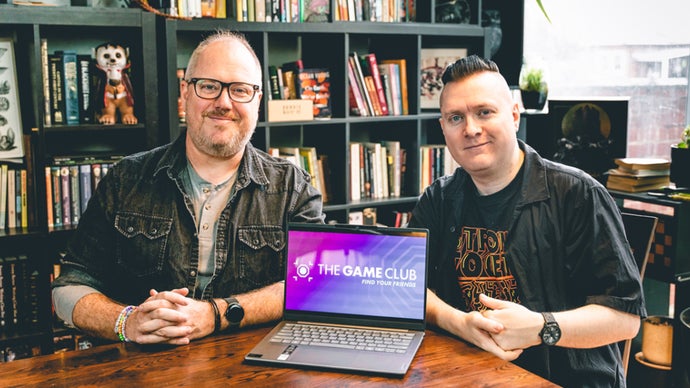
In an era where digital interactions often feel fleeting or superficial, a new initiative is proving that gaming can be the foundation for genuine human connection. Launched in 2025 by founders Guy Blomberg and Shay Leighton, The Game Club reimagines the classic literary circle for the interactive age, fostering deep, meaningful conversations centered around shared gameplay experiences.
A New Model for Gaming Communities
The concept is straightforward yet transformative: participants commit to playing a specific title each month, subsequently gathering in intimate “Clubhouses” to dissect their experiences. These groups, capped at ten members to ensure everyone has a voice, meet either face-to-face or through virtual channels. By shifting the focus from competitive play to collaborative discussion, the platform encourages a more thoughtful engagement with the medium.
The impact of this model has been swift and measurable. Within its inaugural year, the network successfully bridged geographical divides, uniting over 1,000 players across six different nations. The social benefits are equally compelling; internal data reveals that 88% of participants have successfully forged new friendships, while 78% report a significant reduction in feelings of social isolation.
Curating the “Overlooked Classics”
A core pillar of the organization is its selection process. Rather than chasing the latest AAA blockbusters, the curators focus on what Blomberg calls “overlooked classics”-titles that garnered critical acclaim upon release but failed to capture the mainstream spotlight. This approach not only introduces members to hidden gems but also ensures that the discussion remains focused on the artistry and narrative depth of the games themselves.
Reflecting on the project’s trajectory, Blomberg shared his perspective with GamesIndustry.biz: “The first year has really been the beta phase to iron out the bugs and see what works and what doesn’t, which has been super gratifying.”
Bridging the Gap in a Fragmented World
The success of The Game Club highlights a growing trend in the gaming industry: the move toward “third places”-social environments separate from the home and the workplace. Much like how a local sports league or a neighborhood book club provides a sense of belonging, this initiative leverages the shared language of gaming to combat the modern epidemic of loneliness.
As Blomberg notes, the ultimate goal is to foster community in an increasingly disconnected society: “I feel we’ve created something truly meaningful that not only celebrates the medium of video games, but brings people together in a world that couldn’t be further apart, and I’m incredibly grateful for that.”