



# Intel’s 2027 Roadmap: A Bifurcated Strategy for Laptop CPUs
Navigating the current landscape of mobile computing hardware has become an exercise in frustration. For the average consumer, distinguishing between the nuances of Intel Core and Core Ultra branding is increasingly difficult. Unfortunately, fresh reports suggest that Intel’s product segmentation is set to become even more intricate by 2027.
Industry insiders indicate that Intel is currently developing two distinct processor architectures-codenamed “Moon Lake” and “Wildcat Lake Refresh”-each tailored for vastly different computing segments.
## The 2027 Launch Schedule
According to insights shared by hardware leaker Jaykihn, the rollout will be staggered throughout the year. The Wildcat Lake Refresh is projected to debut in Q2 2027, while the Moon Lake series is slated for a Q4 release.
It is a common misconception that a later release date implies superior performance. In this instance, the chronological order does not reflect a hierarchy of power. Instead, Intel is bifurcating its development to address two specific market needs: high-efficiency portability and high-performance computing.
## Moon Lake: Prioritizing Efficiency and Value
The Moon Lake architecture represents a strategic shift toward the budget-conscious and ultra-portable market. Rather than chasing the highest clock speeds or maximum core counts, these chips are being engineered with a primary focus on power efficiency.
For users who prioritize all-day battery life over raw processing power-such as students or office workers who rely on cloud-based applications-Moon Lake is expected to be the primary choice. By optimizing the architecture for low-power envelopes, Intel aims to compete more aggressively in the entry-level laptop space, where thermal management and longevity are the most critical metrics.
## Wildcat Lake Refresh: The Performance Tier
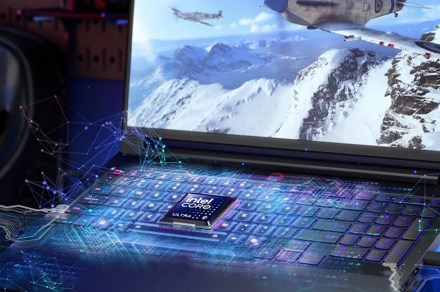
Conversely, the Wildcat Lake Refresh is anticipated to serve as the successor for high-performance machines, such as the Lenovo Legion series. While the market for high-end gaming and workstation laptops continues to grow-with recent data suggesting that premium gaming laptop sales have seen a steady 5-7% year-over-year increase-Intel needs a robust solution to maintain its dominance in this sector.
By separating these product lines, Intel is essentially creating two distinct “languages” for its processors. While this may simplify the internal design process for the manufacturer, it places the burden of research on the consumer, who must now understand whether they are buying a “Moon Lake” efficiency-focused device or a “Wildcat Lake” performance-focused machine.
## Navigating the Future of Windows Laptops
As we look toward 2027, the challenge for Windows laptop buyers will be identifying which architecture suits their specific workflow. Whether you are looking for a machine that stays cool and lasts through a long flight or a powerhouse for content creation, understanding these underlying architectures will be essential.

For a deeper dive into how these architectural shifts might impact your next purchase, check out the latest analysis on Intel’s future CPU roadmap.