




Steam Machine Hardware Woes: Is the “Red Line of Death” Here to Stay?
The highly anticipated Steam Machine has officially begun reaching the doorsteps of early adopters. However, the initial thrill of unboxing this Linux-powered gaming console has quickly soured for some, as reports of critical hardware failures begin to surface. According to recent findings from Digital Foundry, early owners are flocking to community forums like Reddit to voice concerns over units that have become completely unresponsive shortly after arrival.
Decoding the “Red Line of Death”
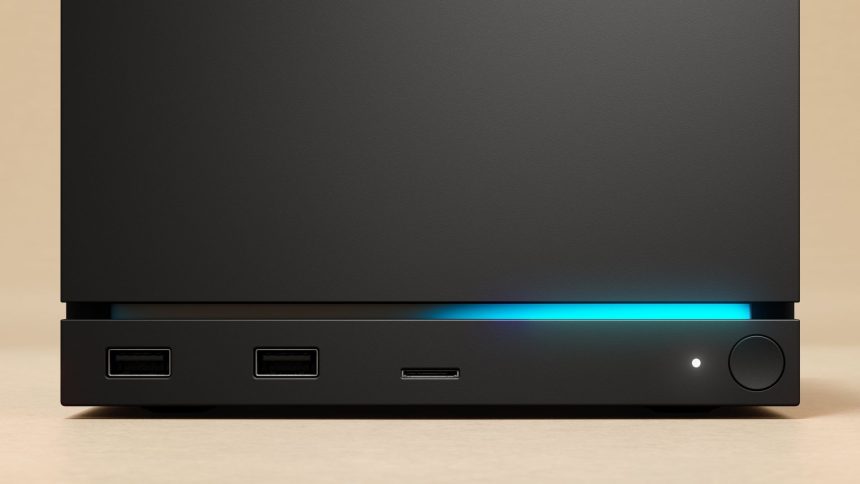
The Steam Machine utilizes a unique LED light bar integrated into its chassis to communicate system health. While a fully illuminated red bar typically signals that the unit is struggling with thermal management, specific segments of the light indicate more severe internal malfunctions.
Valve’s official support documentation clarifies the diagnostic codes for these hardware errors:
* GPU Failure: A red LED appearing on the second half of the light bar.
* RAM Detection Issues: A blinking red light located in the fourth quadrant.
* SSD Recognition Failure: A blinking LED within the second quadrant.
The community has already dubbed this phenomenon the “red line of death,” a grim nod to the infamous “Red Ring of Death” that plagued the Xbox 360 generation. Much like the Microsoft console’s “general hardware failure” indicator-which itself was a play on the classic Windows “Blue Screen of Death”-this new moniker reflects the frustration of users whose expensive hardware has been rendered a paperweight.
A Case Study in Failure
One Reddit user shared a particularly concerning experience: after a session of No Man’s Sky, the system prompted a firmware update. Following the installation, the console failed to boot, displaying the dreaded red light associated with GPU failure. It remains unclear whether this is a widespread manufacturing defect or a localized software glitch that could be resolved by reflashing SteamOS. For now, affected users are left wondering if they must initiate a return process with Valve.
Pricing Pressures and Market Reality
Beyond the technical hiccups, the Steam Machine is facing significant pushback regarding its premium price point. With the entry-level 512 GB model starting at $1,049 and the top-tier 2 TB version reaching $1,349, many critics argue that the hardware value proposition is difficult to justify.
Industry analysts have pointed out that these costs are steep, even when accounting for the current global volatility in component pricing. Valve has been transparent about its struggles in this area, admitting that they lacked the leverage to negotiate favorable rates with memory manufacturers.
Valve engineer Pierre-Loup Griffais recently shed light on the company’s difficult position in the supply chain. “There’s no contract; there’s nothing,” Griffais noted. “These suppliers provide a price on a monthly basis, and it’s a take-it-or-leave-it scenario. If we decline, they simply move on.”
As Valve navigates these early hardware hurdles and supply chain limitations, the gaming community remains watchful. Whether the Steam Machine can overcome these initial reliability concerns and justify its high cost will ultimately determine its longevity in a competitive PC gaming market.