




Paramount
The Golden Era of Trek Television
For fans of the franchise, the 1990s represented an unparalleled peak in science fiction storytelling. The cultural footprint of the brand was massive; as Star Trek: The Next Generation reached its creative zenith, the franchise successfully launched Star Trek: Deep Space Nine in 1993. This period of overlap created a robust ecosystem of content that continued well into the new millennium. Following the conclusion of The Next Generation’s television run in 1994, the crew transitioned seamlessly to feature films, while Star Trek: Voyager arrived in 1995 to capture a new generation of viewers. With both Deep Space Nine and Voyager enjoying successful seven-season arcs that concluded in 1999 and 2001 respectively, the era felt like a limitless frontier for expansion.
Beyond the Screen: The Literary Expansion
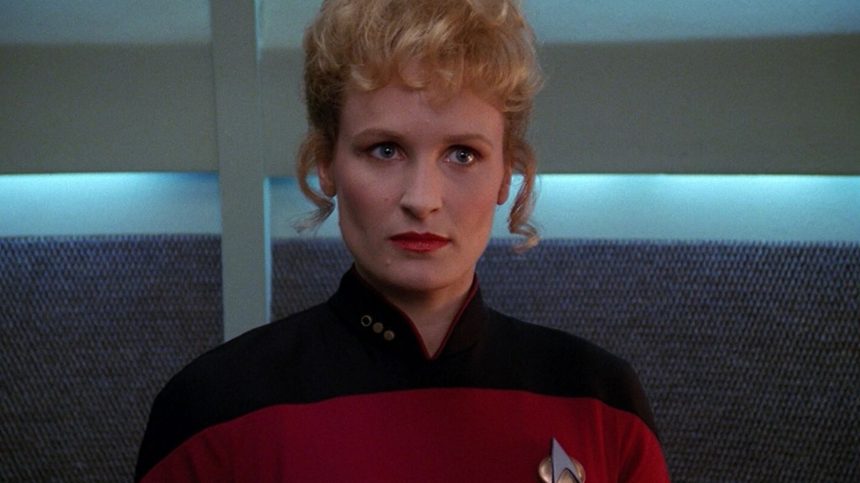
While the television schedule was packed, some of the most innovative narratives were actually unfolding in the pages of tie-in novels. During this prolific decade, the literary side of the franchise began to experiment with concepts that the broadcast networks were not yet ready to greenlight. A prime example of this creative ambition occurred in 1997, when the franchise expanded into uncharted territory through the work of celebrated “Star Trek” tie-in novelist Peter David.
David, a titan in the comic book industry known for his work with Marvel, took the initiative to craft an entirely original vessel and crew. This project, which existed largely outside the mainstream television consciousness, offered a grittier, more character-driven perspective that arguably paved the way for the serialized storytelling we see in modern streaming iterations of the franchise today. While casual viewers remained focused on the weekly broadcast schedule, those who dove into these novels discovered a depth of world-building that remains a “what-if” scenario for many fans who believe these stories deserved a dedicated television adaptation.