





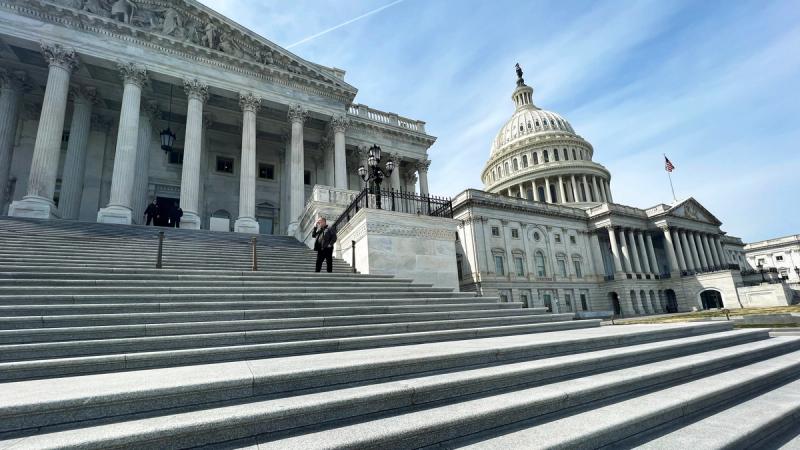
The 2026 Midterms: How Election Outcomes Will Define the Future of Digital Assets
As the United States prepares for the upcoming midterm elections, the political landscape is poised to undergo a significant shift. For the digital asset industry, these results are far more than just a change in congressional leadership; they represent a pivotal turning point for the future of crypto legislation and regulatory oversight. With the industry’s growth trajectory hanging in the balance, the next two years will be defined by the policy decisions made in the wake of these polls.
A Legislative Crossroads for Blockchain
The current regulatory environment in the U.S. is often described as a “regulation by enforcement” approach, which has left many innovators in a state of legal uncertainty. The 2026 midterms serve as a referendum on this strategy. Depending on which party secures control of the House and Senate, we could see a move toward comprehensive market structure bills or, conversely, a continuation of the status quo that favors strict oversight from agencies like the SEC.
Recent data suggests that crypto-focused political action committees (PACs) have raised record-breaking sums this cycle, signaling that the industry is no longer a fringe interest but a major player in national politics. This influx of capital into campaign coffers reflects a strategic pivot: moving from reactive lobbying to proactive participation in the democratic process.
Key Policy Areas to Watch
Regardless of the final vote tallies, several critical issues will dominate the legislative agenda:
* Stablecoin Frameworks: Lawmakers are under increasing pressure to establish a clear legal status for stablecoins, which are viewed as the bridge between traditional finance and decentralized networks.
* Taxation and Reporting: Expect renewed debates regarding the tax treatment of digital assets, particularly concerning how decentralized finance (DeFi) protocols should be classified for reporting purposes.
* Institutional Integration: As major financial institutions continue to integrate blockchain technology, the demand for a regulatory “sandbox” that allows for innovation without compromising consumer protection will likely intensify.
Why This Election Cycle Matters
Think of the current regulatory climate as a ship navigating through dense fog. The 2026 election results will act as the lighthouse, determining whether the industry receives a clear map for long-term development or remains stuck in a cycle of litigation. For investors and developers alike, the outcome will dictate whether the U.S. remains a global hub for blockchain innovation or if capital and talent will continue to migrate to more crypto-friendly jurisdictions abroad.
As we look toward the next two years, the focus will shift from campaign rhetoric to the practical implementation of policy. Whether you are a retail investor or a corporate stakeholder, understanding the legislative priorities of the incoming representatives is essential for navigating the evolving digital economy.