




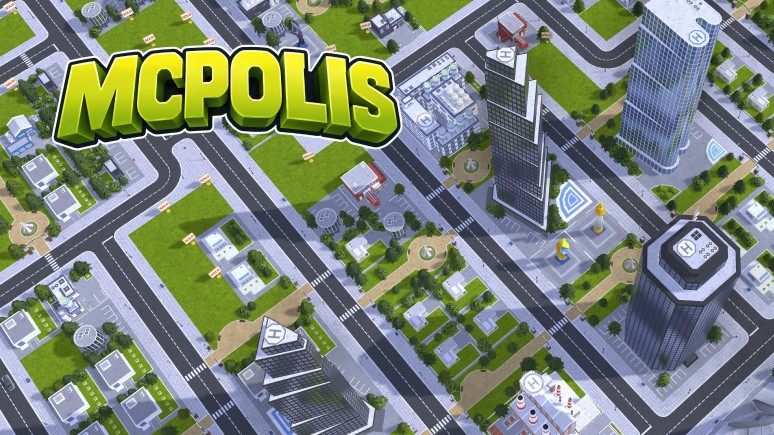
The Evolution of Urban Strategy: How MCPOLIS is Redefining City Simulation
The most compelling transformation in the transition from MegaCryptoPolis to its rebranded successor, MCPOLIS, is the introduction of a realistic logistical layer: the commute. While the original city-building experience allowed citizens to be omnipresent, functioning across the entire map simultaneously, the new iteration demands a more grounded approach to urban movement.
From Static Placement to Dynamic Transit
In the previous version of the game, which debuted in 2018, the economy was primarily anchored in land ownership, structural development, and resource manufacturing. Players operated under a simplified model where citizens were manually tethered to specific buildings to generate value.
The new mechanics shift this paradigm entirely. Now, geography matters. If a citizen accepts employment on the opposite end of the metropolis, they must physically navigate the city to reach their workplace. Furthermore, once their shift concludes, they must locate suitable housing to replenish their stamina. This introduces a complex layer of micro-management: a high-salary position might ultimately result in a net loss once the costs of transit and lodging are factored into the citizen’s budget.
The Rise of AI-Driven Urban Management
To navigate these intricate economic variables, players are no longer forced to handle every logistical detail manually. MCPOLIS introduces AI agents capable of managing your citizens and their digital wallets. These agents are designed to optimize decision-making, calculating the most efficient routes and cost-effective living arrangements to ensure your virtual population remains productive and profitable.
This shift mirrors real-world urban planning challenges, where the “15-minute city” concept-the idea that all essential services should be within a short walk or bike ride-is becoming a gold standard for efficiency. By forcing players to consider the friction of distance, MCPOLIS transforms from a static resource-management game into a living, breathing simulation where spatial awareness is just as vital as financial strategy.