


Beyond the Screen: A Deep Dive into the Even Realities G2 Smart Glasses
For years, industry visionaries have touted smart glasses as the inevitable successor to the smartphone. Yet, despite the hype, the current generation of wearable tech remains tethered to our pockets. The Even Realities G2 is the latest attempt to bridge this gap, offering a sleek, minimalist interface that prioritizes utility over gimmicks. While it represents a significant leap forward in hardware, it serves as a reminder that the “post-smartphone” era is still a work in progress.
A Different Philosophy: Productivity Over Surveillance
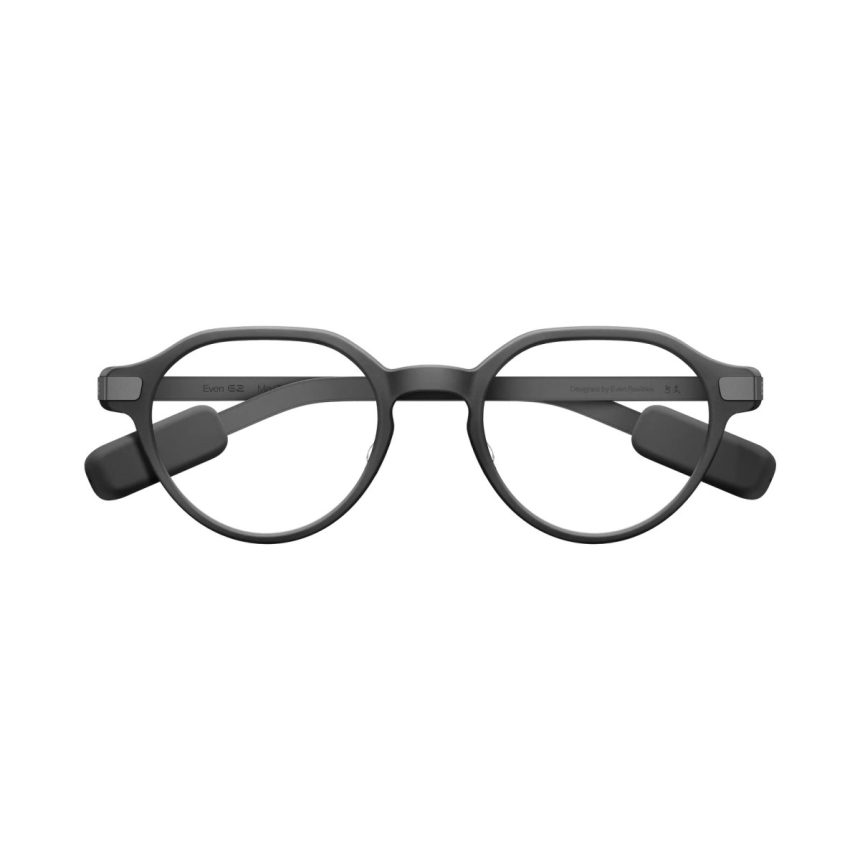
Unlike Meta’s Ray-Ban collection, which leans heavily into social media integration and integrated cameras, Even Realities has taken a strictly utilitarian path. The G2 features a monochrome, neon-green heads-up display (HUD) that feels like a nod to classic cyberpunk aesthetics.
Crucially, the device lacks both cameras and speakers. This design choice is intentional; by removing the ability to record or photograph surroundings, the G2 avoids the privacy concerns that plague other wearables. It is a tool designed for the office, the boardroom, and the international traveler, not for content creation.
Hardware Evolution: G1 vs. G2
The G2 is a refined iteration of the original G1, addressing several pain points that hindered the first generation. The upgrades are substantial:
* Display Brightness: Increased to 1,200 nits (up from 1,000), ensuring visibility in direct sunlight.
* Refresh Rate: A jump to 60Hz, providing a much smoother visual experience compared to the sluggish 20Hz of the G1.
* Audio Input: Four microphones now handle voice commands, a significant improvement over the previous dual-mic setup.
* Display Real Estate: The viewing area has expanded by 75%, allowing for more text-heavy information to be displayed without clutter.
Build Quality and Ergonomics
Weighing in at a mere 35 grams, the G2 is remarkably lightweight. The construction utilizes a premium blend of magnesium alloy for the frame and titanium for the temples, resulting in a pair of glasses that feels sturdy yet comfortable for extended wear.
While the glasses are stylish enough for daily use, their primary value lies in their specialized features. Even for those who don’t need the smart functionality, the lenses include built-in UV protection, making them a viable alternative to standard sunglasses. The included charging case is robust and capable of providing seven full charges, though its bulky size means it won’t easily slip into a slim pair of jeans.
Navigating the Interface
The G2 operates via touch-sensitive stems. A double-tap triggers a dashboard displaying your calendar, stock tickers, and news headlines. Long-pressing the stem unlocks a suite of productivity tools:
* Real-Time Translation: This is arguably the G2’s “killer app.” During recent international tech conferences, the glasses proved highly effective at translating live conversations in real-time. Whether navigating Mandarin, French, or Spanish, the HUD provides a seamless stream of text.
* Teleprompting and Notes: Ideal for presenters, the teleprompter feature allows users to read scripts directly in their line of sight.
* Navigation: The G2 offers turn-by-turn directions, though it currently lacks integration with mainstream platforms like Google or Apple Maps. Users must rely on the proprietary Even Realities app to plot routes, which can be a hurdle for those accustomed to the convenience of established mapping ecosystems.
Evaluating the Even G2: A Deep Dive into Smart Eyewear Utility
The landscape of wearable technology is shifting rapidly. While camera-integrated, display-free options like the Meta Ray-Bans currently dominate the market, a new wave of competitors-including brands like Rokid and Inmo-is pushing the boundaries with integrated color displays. The Even G2 enters this arena at a $599 price point, offering a sleek, lightweight design that prioritizes aesthetics alongside its digital capabilities.
Navigating with Even G2: Room for Improvement
One of the primary selling points for smart glasses is navigation, yet the G2 currently struggles with location accuracy. Relying on it for turn-by-turn directions in unfamiliar territory is risky at best. However, the potential is clear; for motorcyclists or urban cyclists who need quick, heads-up glances at a route, the utility could be significant once the software matures and the GPS precision is refined.


AI Integration: From Transcripts to Contextual Assistance
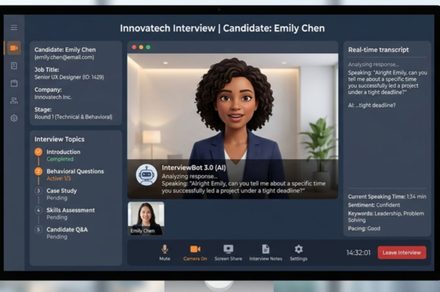
The “Conversate” feature initially felt redundant, merely mirroring what a standard smartphone recording app could achieve. Fortunately, the developers have pivoted toward a more proactive approach. By allowing users to upload documents or notes prior to a meeting, the AI can now provide “prep notes” and real-time contextual bubbles. For instance, during a technical discussion on renewable energy, the glasses might display a brief definition of “Green Hydrogen” as the term is mentioned. While this is a genuine productivity booster, it is not a feature one would want active during every casual conversation.
At the core of the experience is “Even AI.” While the concept of a voice-activated assistant is standard, the execution here is hit-or-miss. The system frequently struggles with to-do list entries and tends to output lengthy, unskippable text blocks that scroll across the lens. Furthermore, despite the inclusion of a four-microphone array, the voice recognition falters in noisy environments. Whether due to ambient city noise or hardware limitations, the device often fails to register commands, which is a significant drawback for a wearable intended for on-the-go use.
Display and Hardware Ergonomics
The G2’s display is generally crisp and readable, though it lacks an ambient light sensor. This forces users to manually adjust brightness via the companion smartphone app-a cumbersome process. A more intuitive design would include physical brightness toggles directly on the frames, allowing for quick adjustments without needing to pull out a phone.
The R1 Ring: An Unnecessary Accessory
Even Realities also introduced the R1 ring, a $249 peripheral designed to act as a remote control for the glasses. While the ring functions reliably, it feels largely redundant. The touch-sensitive temples on the G2 frames already handle navigation and input effectively
Beyond the Hype: Why Smart Glasses Need a Software Revolution
For years, the promise of smart eyewear has hovered just out of reach. While the technology is undeniably impressive, the practical application for the average user remains elusive. Unless your daily workflow involves real-time language translation or reading from a teleprompter, these devices often feel like a solution in search of a problem.
The Strategic Shift: Minimalism as a Feature
Even has taken a calculated risk by stripping away the bells and whistles-specifically the cameras and integrated speakers-that have cluttered previous iterations of smart glasses. By pivoting toward a strictly productivity-oriented design, they are attempting to carve out a niche that prioritizes focus over multimedia consumption.
From a design philosophy standpoint, this is a sound decision. By removing the “gadget” elements that often lead to privacy concerns or social awkwardness, the hardware becomes less intrusive. However, hardware alone cannot sustain a product category.
The Unicorn Challenge: Moving from Hardware to Ecosystem
Having recently achieved a valuation exceeding $1 billion, Even is now under immense pressure to justify its market position. Reaching “unicorn” status is a milestone, but it also signals a transition from a startup with a cool prototype to a mature company that must deliver long-term utility.
The current reality is that the hardware is ready, but the ecosystem is lagging. To transform these glasses from a niche accessory into a daily essential, the company must prioritize the development of robust, first-party software.
Building the “Everyday” Use Case
To achieve mass adoption, Even needs to move beyond basic notifications. Consider the potential for:
* Contextual Workflow Integration: Imagine glasses that automatically pull up relevant project management tasks or CRM data the moment you walk into a meeting room.
* Hands-Free Data Visualization: Instead of glancing at a secondary monitor, users could have live analytics or stock tickers pinned to their peripheral vision, customizable via a proprietary dashboard.
* AI-Driven Personal Assistance: Moving beyond simple voice commands, the software could leverage generative AI to summarize emails or draft responses based on the user’s specific communication style, all displayed discreetly within the lens.
The Path Forward
The market is littered with “smart” devices that failed because they lacked a compelling reason to be worn for more than an hour a day. For Even, the next phase of growth isn’t about adding more sensors or refining the frame design-it’s about software. If they can create a suite of tools that genuinely streamlines the professional workday, they might just succeed where others have faltered.
The hardware is a blank canvas; now, it is time for the software to paint the picture.